
Children's eye care
When should my child first see an optometrist?

· Updated · 4 min read
We recommend a child's first eye exam at about 6 months old, another at age 2 to 3, one before school starts at 4 to 5, and then every year until 19. In Ontario these exams are covered by OHIP once a year for children 19 and under. Avalon Eye Care in Woodbridge (Vaughan) sees children from 6 months old.
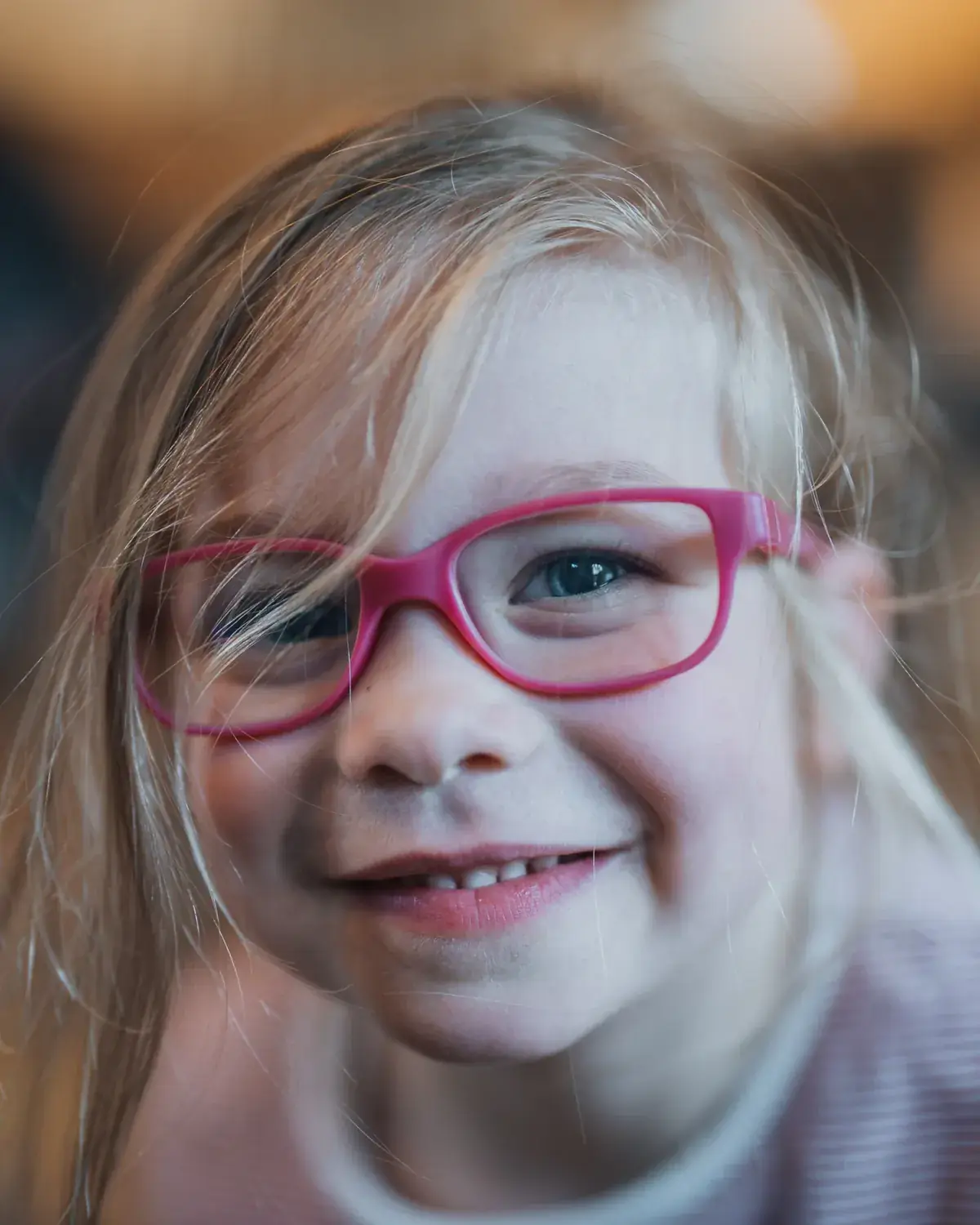
Why children need eye exams before they complain
Most parents assume their child's vision is fine unless they complain. But children rarely complain about poor vision, because they have never seen any other way. Vision problems in children are more common than many parents realize, and finding them early makes a real difference.
Here is the recommended eye exam schedule for children in Ontario, what OHIP covers, and why starting early matters.
The recommended eye exam schedule for children in Ontario
| Age | Recommended exam | OHIP-covered? |
|---|---|---|
| About 6 months | First eye exam: eye alignment, focusing and development | Yes |
| 2–3 years | Preschool exam: vision checks as language develops | Yes |
| 4–5 years (JK/SK) | School-readiness exam before learning to read | Yes |
| Every year, 6–19 | Yearly exam: track myopia and eye health | Yes |
OHIP covers one major eye exam every 12 months, plus follow-ups, for children and youth 19 and under in Ontario. All you need is your child's Ontario health card. For the full details, see our OHIP eye exam guide.
Why the 6-month exam matters
Many parents are surprised that we recommend an eye exam at just 6 months. At this age we are not testing reading vision. We are checking that both eyes are developing properly, focusing equally and moving together, and that there are no signs of amblyopia (lazy eye), strabismus (eye turn) or congenital cataracts.
Your baby does not need to read or talk. We use lights, toys and pictures, and the exam is gentle and quick. These conditions respond best to treatment when caught early, while the visual system is still developing, generally before about age 7 to 8. After that, treatment becomes much less effective. A short visit in infancy can protect your child's vision for life.
Why the preschool exam (age 4–5) is critical
The years just before and during school entry are when many vision problems first show up, and when they are easiest to treat. So much of what children learn in class is presented visually, and a child who cannot see clearly or comfortably may struggle to read, write and keep up.
Children in Junior Kindergarten who need glasses can get them free through the Eye See Eye Learn program, which Avalon Eye Care in Vaughan takes part in.
Why yearly exams through the school years?
Myopia (nearsightedness) usually develops between about ages 6 and 14 and can progress quickly through the teen years. Yearly exams let your optometrist catch changes early and recommend myopia control to slow progression before the prescription becomes high.
High myopia in adulthood increases the lifetime risk of glaucoma, retinal detachment, cataracts and macular degeneration. Slowing it down in childhood is a meaningful investment in your child's long-term eye health. Options include Ortho-K and special soft lenses; read our Ortho-K vs. contact lenses comparison.
Warning signs your child needs an eye exam now
Even if your child is not due for a yearly exam, book sooner if you notice any of these:
- Squinting or tilting the head to see
- Sitting very close to the TV or screen
- Frequent eye rubbing
- Covering one eye when reading
- Complaints of headaches or tired eyes
- One eye turning in or out
- Avoiding reading or close work
- Difficulty concentrating in class
- Holding books very close or very far away
- Saying the words move on the page
See our full list of 10 signs your child needs glasses. If your child has an eye injury, a chemical in the eye or sudden vision changes, call us right away for an urgent visit. Outside clinic hours, for sudden vision loss or a chemical injury, go to the nearest emergency department.
Frequently asked questions
When should my child have their first eye exam?
We recommend the first eye exam at about 6 months old, then at 2 to 3 years, again at 4 to 5 years, and every year after that until 19.
Is my child's eye exam covered by OHIP?
Yes. OHIP covers one major eye exam every 12 months, plus follow-ups, for children 19 and under with a valid Ontario health card.
How can you test a baby who can't talk?
We use lights, toys and pictures to check eye alignment, focusing and eye health. Your baby does not need to read letters or answer questions.
Why does my child need a yearly exam if they passed last year?
Children's eyes change quickly as they grow, and myopia often starts or speeds up during the school years. A yearly exam catches changes early.
Does Avalon Eye Care take part in Eye See Eye Learn?
Yes. Junior Kindergarten children who need glasses after their eye exam can get a free pair through the Eye See Eye Learn program.
Our optometrists in Woodbridge see children, adults and seniors. Book an exam and talk it through in person.
Book an eye examThis article is general information, not medical advice. For advice about your eyes, book an exam with an optometrist.
More from the blog
Eye health
Cataracts: early signs and when to get checked
Cloudy vision, glare and faded colours: how cataracts start and when to have them checked.
November 4, 2026
Everyday eye care
Computer eye strain at work: causes and what helps
Tired, dry or blurry eyes after a day at the screen? How to set up your desk and when to get checked.
November 4, 2026
Contact lenses
Contact lenses for astigmatism: your options explained
Yes, you can wear contacts with astigmatism. Toric, rigid and scleral lenses explained.
November 4, 2026