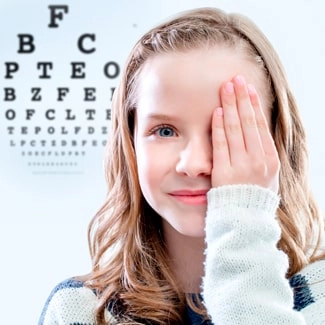
According to studies if your child is having developmental delays or trouble in school there could be an underlying vision problem. Proper learning, motor development, reading, and many other skills are dependent upon not only good vision, but your eyes functioning together.
Children that have problems with focusing or hand-eye coordination will often experience frustration and may exhibit behavioral problems as well.
Often they will not understand nor know that the vision they are experiencing is abnormal so they aren’t able to express that they need help.
Many conditions are much easier to treat when they are caught early while the eyes are still developing, so it is important to diagnose any eye health and vision issues as early as possible.
At Avalon Eye Care our optometrists see patients as early as 6 months.
In Ontario, if you are 19 years and younger you will be covered by OHIP for a routine eye examination provided by an optometrist once every 12 months plus any follow-up assessments that may be required.
Pediatric Eye Exams in Vaughan & Woodbridge
Why children's eye exams are important?
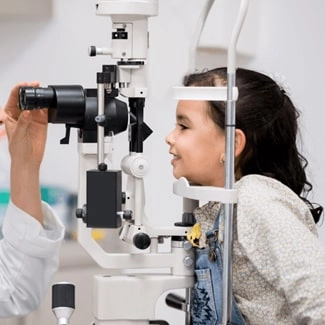
Eye exams for children are very important to insure your child's eyes are healthy and have no vision problems that could interfere with school performance and potentially affect your child's safety.
Early eye exams also are important because children need the following visual skills that are essential for optimal learning:
- Excellent visual acuity at all distances
- Accurate and comfortable eye teaming skills
- Accurate eye movement skills
- Accurate and comfortable focusing skills
When to have your child's eyes examined?
Children should have their first comprehensive eye exam at 6 months of age and also they should have their eyes examined at the age of 3 and yearly subsequently. School-aged children should have an eye exam at least every year if no vision correction is required. Children who need eyeglasses or contact lenses should be examined annually or as recommended by their eye doctor.
Many factors will influence the frequency of optometric examinations and only the examining optometrist, upon the analysis of all factors, can determine when a particular patient should return for another examination. Your eye doctor may recommend coming in more frequently.
Not all children are able to make it in for their first exam until they start to have problems at school. In many cases, the school nurse will do an annual screening where a child has to read an eye chart in the office. This is not an eye exam and only catches problems well after they should have been treated. Regardless, there are some signs to keep an eye out for.
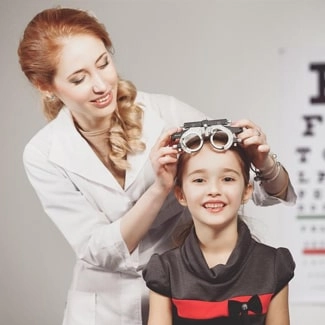
Eye See Eye Learn VAUGHAN
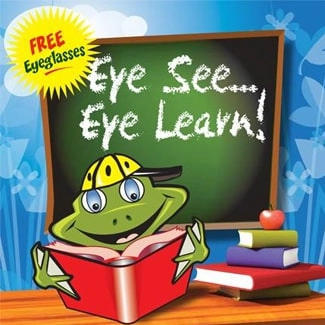
START YOUR CHILD’S EDUCATION WITH good vision and healthy eyes.
Our optometrists at Avalon Eye Care in Vaughan are members of the “Eye See…Eye Learn™” Ontario program. This means if your child starting or currently enrolled in Junior Kindergarten and requires glasses, our optometrists in partnership with “Eye See…Eye Learn™” will provide one pair of glasses for free. Book an appointment onlineOHIP coverage
- Children 0 to 19 years old: An annual, full comprehensive eye examination plus any follow-up assessments that may be required.
- Seniors aged 65 +: An annual, full comprehensive eye examination plus any follow-up assessments that may be required.
- Adults aged 20 to 64 years: OHIP does not cover comprehensive eye examinations for this age group. These individuals have private insurance coverage or pay out-of-pocket. Some exceptions to OHIP coverage apply depending on the medical condition. Ask your optometrist if you qualify.
When Should I Have my ?
Children should have their first comprehensive eye exam at 6 months of age and also they should have their eyes examined at the age of 3 and yearly subsequently. School-aged children should have an eye exam at least every year if no vision correction is required. Children who need eyeglasses or contact lenses should be examined annually or as recommended by their eye doctor.
Not all children are able to make it in for their first exam until they start to have problems at school. In many cases, the school nurse will do an annual screening where a child has to read an eye chart in the office. This is not an eye exam and only catches problems well after they should have been treated.
Frequently Asked Questions
When should my child have their first eye exam?
The Canadian Association of Optometrists recommends a baby's first eye exam between 6 and 9 months of age, then again between 2 and 5, and annually from school age onward. The visual system is still developing, so early detection is critical.
Are children's eye exams covered by OHIP?
Yes. OHIP covers one comprehensive eye exam per year for all Ontario residents aged 0 to 19. Bring your child's health card. No private insurance is needed.
How can I tell if my child needs glasses?
Watch for: squinting, sitting too close to screens, frequent headaches, eye rubbing, covering one eye, losing their place while reading, or complaints of blurry or double vision. Many children with vision problems show no symptoms at all - annual exams are the only reliable detection.
What is the Eye See Eye Learn program?
Eye See Eye Learn is a government-supported program in Ontario that provides free eyeglasses to Junior Kindergarten children who need them. Avalon Eye Care is a participating provider. If your JK child needs glasses, they receive them at no cost.
What vision problems are common in school-age children?
The most common conditions are myopia (nearsightedness), hyperopia (farsightedness), astigmatism, amblyopia (lazy eye), and strabismus (eye turn). Myopia is rapidly increasing in children - early myopia control can significantly slow its progression.
Are eye exams safe for babies?
Completely. Pediatric exams use non-invasive lights and targets designed for infants. No reading or verbal response is needed. The exam is gentle, fast, and adapted to the child's age.