
Eye health
Cataracts: early signs and when to get checked

· 5 min read
A cataract is a clouding of the clear lens inside the eye. Early signs include blurry or hazy vision, glare from headlights, trouble seeing at night and colours that look faded. The optometrists at Avalon Eye Care in Woodbridge (Vaughan) diagnose and monitor cataracts and refer you to an ophthalmologist when surgery would help.
What a cataract is
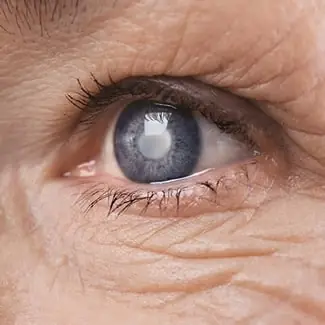
Behind the coloured part of your eye sits a clear lens that focuses light onto the retina. Over time, the proteins in that lens slowly change and it becomes cloudy or yellowish. That clouding is a cataract. It is a normal part of ageing, and most people develop some cataract change by their 60s or 70s.
Cataracts usually form slowly over years and often in both eyes, though one eye can be ahead of the other.
Early signs of cataracts
- Vision that looks hazy, foggy or like looking through a dirty window
- Glare or halos around headlights and street lights
- More trouble driving at night
- Colours that look faded or yellowed
- Needing more light to read
- Frequent changes in your glasses prescription
- Double vision in one eye
Because cataracts develop so gradually, many people do not notice until a cataract is fairly advanced, or until they struggle with a driver's licence vision test.
Who is more likely to get cataracts
Age is the biggest factor, but some things make cataracts more likely or bring them on earlier:
- Diabetes
- Long-term use of steroid medicines
- Smoking
- A lot of sun exposure over the years without UV protection
- A past eye injury or eye surgery
- A family history of cataracts
Wearing sunglasses that block UV is a simple habit that protects your eyes in many ways. Browse our sunglasses, including prescription options.
How cataracts are diagnosed
Cataracts are found during a comprehensive eye exam. Your optometrist checks your vision and looks at the lens with a microscope called a slit lamp, often after dilating the pupils for a full view. They also check the retina and optic nerve, because other conditions such as macular degeneration or glaucoma can cause similar symptoms and can exist alongside cataracts.
What happens next
An early cataract often needs no treatment beyond monitoring. Your optometrist may update your glasses, suggest anti-glare coatings or better lighting, and see you regularly to track changes.
When a cataract starts to interfere with daily life, such as driving, reading or work, the usual treatment is surgery to replace the cloudy lens with a clear artificial one. It is performed by an ophthalmologist. We refer you when the time is right, and we can provide care before and after surgery. Learn more about the eye conditions we manage.
OHIP coverage
In Ontario, OHIP covers a yearly comprehensive eye exam for seniors 65 and over, and covers eye exams for adults 20 to 64 with certain medical eye conditions, including cataracts. Our guide to OHIP eye exams in Ontario explains who qualifies. Our senior eye care page has more on exams for older adults.
Frequently asked questions
What are the first signs of a cataract?
Hazy or cloudy vision, glare around lights, trouble driving at night and faded colours are common early signs.
Can an optometrist diagnose cataracts?
Yes. Optometrists diagnose and monitor cataracts during an eye exam and refer you to an ophthalmologist when surgery would help.
Do cataracts always need surgery?
No. Early cataracts are often simply monitored. Surgery is usually considered when the cataract starts to affect your daily life.
Can cataracts come back after surgery?
The cataract itself cannot come back, but a thin membrane behind the new lens can become cloudy later. If that happens, it can be treated.
Is a cataract exam covered by OHIP?
OHIP covers eye exams for seniors 65 and over every 12 months, and for adults with certain medical eye conditions, including cataracts.
Our optometrists in Woodbridge see children, adults and seniors. Book an exam and talk it through in person.
Book an eye examThis article is general information, not medical advice. For advice about your eyes, book an exam with an optometrist.
More from the blog

Everyday eye care
Computer eye strain at work: causes and what helps
Tired, dry or blurry eyes after a day at the screen? How to set up your desk and when to get checked.
November 4, 2026
Contact lenses
Contact lenses for astigmatism: your options explained
Yes, you can wear contacts with astigmatism. Toric, rigid and scleral lenses explained.
November 4, 2026
Eyewear
How to read your eyeglass prescription
SPH, CYL, AXIS, ADD and PD explained in plain language.
November 4, 2026