
Eye health
Dry eye clinic in Vaughan
Avalon Eye Care in Woodbridge (Vaughan) diagnoses and treats dry eye, including meibomian gland dysfunction, the most common cause. We test your tear film and eyelid oil glands, then build a plan such as lid hygiene therapy, warm compresses, gland expression, screen-strain care or specialty lenses. Your optometrist will explain what to expect and check your progress.
- Open six days a week
- New patients welcome
- Direct billing to most insurers
What dry eye is
Dry eye happens when your eyes don't make enough tears, or when the tears you make evaporate too quickly. Your tear film has layers of water, mucus and oil. If any one of them is off, the front of your eye dries out and gets irritated. Dry eye is one of the most common eye conditions in Canada.
It is also one of the most undertreated conditions we see at Avalon Eye Care in Vaughan. Many people live with sore eyes for years, thinking it is just allergies or part of getting older. Dry eye is a real medical condition that can be diagnosed and treated, and getting help early protects the oil glands in your eyelids from lasting damage.
Dry eye is usually chronic, which means it is managed rather than cured. With a plan aimed at the real cause, most patients get significant, long-lasting relief.
Symptoms of dry eye
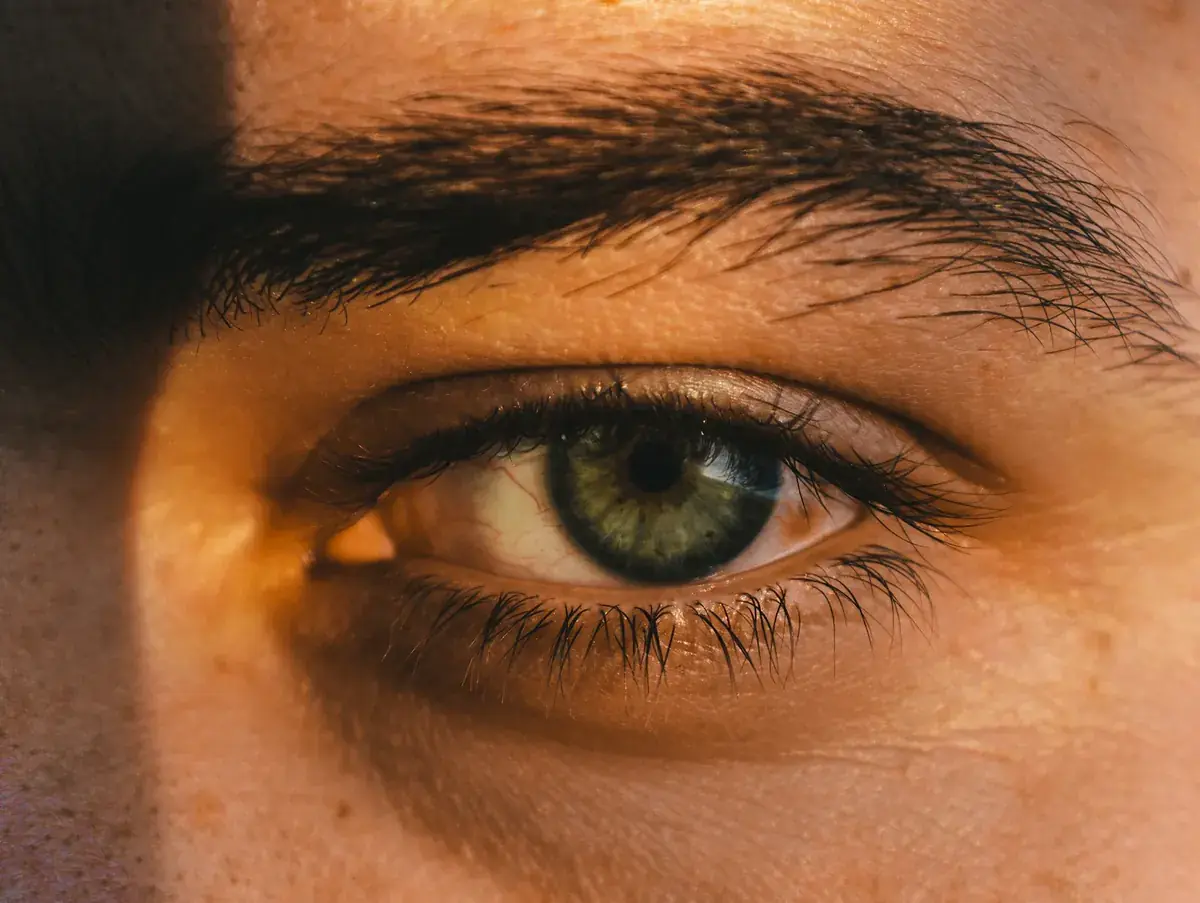
- Burning or stinging
- A gritty or scratchy feeling, like sand in your eye
- Redness and irritation
- Blurry vision that clears when you blink
- Sensitivity to light
- Watery eyes or too many tears
- Trouble wearing contact lenses
- Tired eyes after screen time or reading
- Discomfort in air-conditioned or heated rooms
- Waking up with sticky or uncomfortable eyes
Symptoms are often worse at the end of the day and in dry or windy weather.
Why are watery eyes a sign of dry eye? When the surface of your eye dries out, it sends an alarm that triggers a flood of reflex tears. These tears are mostly water, so they spill over instead of coating the eye. They are not the thin, steady film your eye needs. Treating the dryness usually stops the overflow.
Symptoms alone are a poor guide to how bad dry eye really is. They vary a lot from person to person. The only way to know for sure is to have your optometrist do dry eye tests during an eye exam.
What causes dry eye?
Read more about the most common cause in our article on meibomian gland dysfunction and dry eye.
Dry eye in children and screen use
Dry eye is not only an adult problem. Researchers who studied school-aged children found that kids with dry eye spent more time on smartphones than kids without it. When the children with dry eye stopped using their smartphones for four weeks, both their symptoms and the signs their eye doctors could measure improved.
If your child rubs their eyes, complains that their eyes sting or blinks a lot after screen time, mention it at their next children's eye exam. Eye exams for children 19 and under are covered by OHIP once a year.
What happens at your dry eye assessment
- Symptom and lifestyle reviewWe ask when your eyes bother you, how many hours you spend on screens, what medicines you take and whether you wear contact lenses.
- Eye surface examUsing a microscope with a bright light, your optometrist looks at the front of your eye, your eyelid margins and your tear film.
- Tear film testsWe check the quality of your tears and how quickly they break up, which tells us whether the problem is too few tears or tears evaporating too fast.
- Meibomian gland evaluationWe check whether the oil glands in your eyelids are flowing or blocked, and how healthy they look.
- Your treatment planWe explain the cause in plain language and give you a plan aimed at it, with clear steps you can start at home that day.
Dry eye treatments we offer in Vaughan
Treatment is matched to the root cause found at your assessment. Your plan may include one or more of these:
- Lid hygiene therapy: daily eyelid cleaning to keep the oil glands clear. This is the foundation of treatment for meibomian gland dysfunction.
- Warm compress therapy: gentle heat softens thickened oil so it can flow again.
- Meibomian gland expression: done in the clinic to clear blocked glands.
- Screen habits and the 20-20-20 rule: every 20 minutes, look at something 20 feet away for 20 seconds, and remember to blink fully.
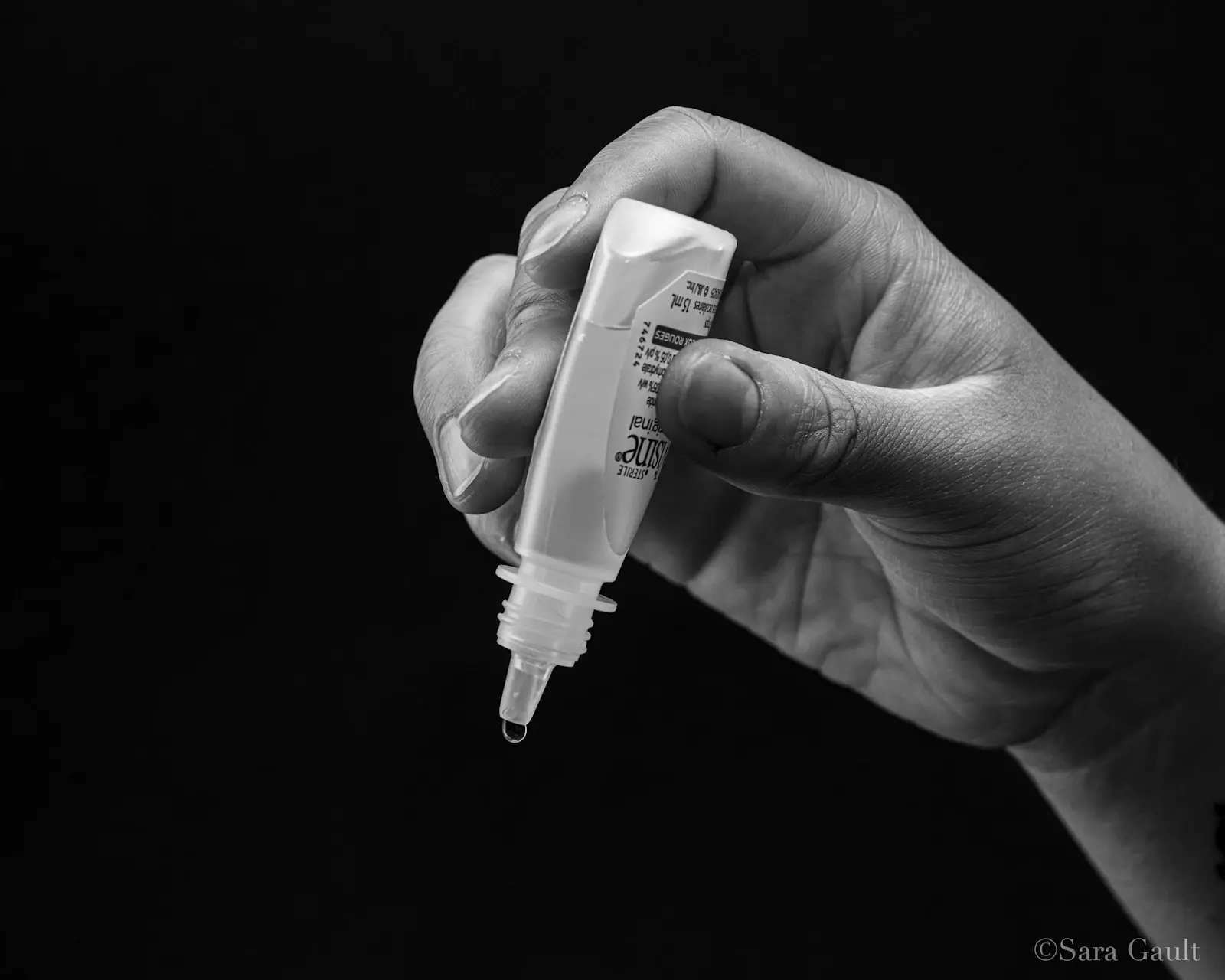
- Eye drops: your optometrist will tell you if drops are right for your eyes.
- Neurolens: for people whose screen-related eye strain makes dry eye worse. Learn more about Neurolens in Vaughan.
- Scleral contact lenses: for severe dry eye, a large lens holds a pool of fluid over the cornea all day. See scleral lenses.
We stock eye care products for home treatment. Ask us which ones suit your plan, or browse our eye products.
Everyday habits that help dry eye
Treatment in the clinic works best when it is paired with small changes at home and at work. These habits are simple, cost little and help almost every type of dry eye:
- Take screen breaks with the 20-20-20 rule, and make a point of full, complete blinks
- Place your monitor slightly below eye level so your eyes are not wide open all day
- Keep fans, car vents and air conditioning from blowing straight at your face
- Use a humidifier at home in winter, when indoor heating dries the air
- Drink enough water through the day
- Wear wraparound sunglasses outdoors on windy days
- Don't sleep in contact lenses unless your optometrist has fitted you for it
- Remove eye makeup fully each night so it does not clog the eyelid glands
If you take a medicine that may be drying your eyes, don't stop it on your own. Tell us and your family doctor, and we can work around it with your treatment plan.
Dry eye and contact lenses
Many people with mild to moderate dry eye can still wear contacts comfortably with the right lens. Daily disposable lenses tend to work best because you start each day with a fresh, clean lens. If your lenses feel dry by the afternoon, a new contact lens fitting may help. For severe dry eye, scleral lenses can actually relieve symptoms instead of making them worse.
How long treatment takes and follow-up
How quickly you feel better depends on the cause and how severe it is, and your optometrist will check your progress. The key is doing your home routine every day, even once you feel better, because blocked glands can come back.
We usually see you again after a few weeks to check how your tear film and glands are responding. If you are not improving as expected, your optometrist will adjust the plan. Once you are comfortable, we check your dry eye at your regular eye exams.
OHIP and insurance for dry eye
OHIP covers one eye exam a year for patients 19 and under and 65 and over. The exam part of a dry eye visit may be covered if you are eligible. Call us to check or confirm your coverage. Dry eye treatments themselves are not covered by OHIP, but many extended health plans cover part of the cost.
We direct-bill most insurers, so there are usually no forms to fill out. Learn more about direct insurance billing or call us for current fees.
Frequently asked questions
What is dry eye syndrome?
Dry eye syndrome happens when your eyes don't make enough tears or your tears evaporate too quickly. It causes burning, gritty, watery or blurry eyes, and it is very treatable once properly diagnosed.
What causes dry eye syndrome?
The most common cause is meibomian gland dysfunction, where the oil glands in your eyelids get blocked. Screen time, aging, hormones, contact lenses, autoimmune conditions like Sjögren's syndrome, some medicines and dry indoor air also play a role.
What are the symptoms of dry eye disease?
Common symptoms are burning, stinging or grittiness, redness, watery eyes, blurry vision that clears with blinking, light sensitivity, tired eyes during screen use and trouble with contact lenses. They often get worse at the end of the day.
Why are my eyes always watering if I have dry eye?
When the eye surface dries out, it triggers a flood of reflex tears as an emergency response. These tears overflow instead of coating the eye. Treating the underlying dryness usually stops the watering.
What dry eye treatments are available at Avalon Eye Care?
We offer meibomian gland evaluation, lid hygiene therapy, warm compress therapy and in-clinic meibomian gland expression. Depending on the cause, we may also recommend drops, Neurolens for screen strain or scleral lenses for severe dry eye.
How long does dry eye treatment take to work?
It depends on the cause and how severe it is. Your optometrist will check your progress and adjust treatment as needed.
Can screen use cause dry eye?
Yes. Your blink rate can drop by up to 60% while you look at a screen. Try the 20-20-20 rule: every 20 minutes, look 20 feet away for 20 seconds. Persistent screen-related dry eye may need treatment.
Is dry eye curable?
In most cases dry eye is chronic, but it is very manageable. A plan aimed at the cause gives most people significant long-term relief, and treating it early helps keep your eyelid glands healthy.
Does OHIP cover dry eye treatment?
OHIP may cover the exam if you are eligible. Call us to check or confirm your coverage. Dry eye treatments are not covered by OHIP but may be partly covered by private insurance, and we direct-bill most plans.
Related articles
Dry eye
Dry eye: causes, symptoms and treatments that help
Why your eyes feel dry, gritty or watery, and the treatments that help.
September 24, 2026Dry eye
What is meibomian gland dysfunction? The hidden cause of dry eye
The hidden, oil-gland cause behind most dry eye, and how we treat it in Vaughan.
March 6, 2026Eye health
Styes and eyelid bumps: what they are and when to get them checked
Stye, chalazion or something else? What eyelid bumps usually are and when to have one checked.
November 4, 2026Related services

Neurolens
Contoured prism lenses for headaches and eye strain linked to eye misalignment.
Learn more
Scleral lenses
Large specialty lenses for keratoconus, severe dry eye and irregular corneas.
Learn more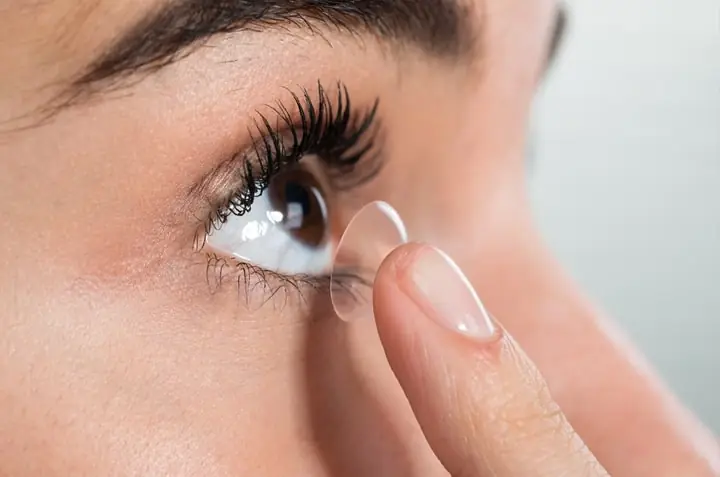
Contact lens fitting
Fittings for daily, toric, multifocal, Ortho-K and specialty lenses.
Learn more
Eye care products
Eye drops, warm eye masks, lid care, lens solutions, cases and cleaning accessories.
Learn more