
Eye health
Styes and eyelid bumps: what they are and when to get them checked

· 4 min read
A stye is a tender, red bump at the edge of the eyelid, usually caused by a blocked and infected oil gland or eyelash follicle. A chalazion is a firmer, usually painless lump further back in the lid. Most eyelid bumps are not serious, but one that keeps coming back, grows, or affects your vision should be checked, and the optometrists at Avalon Eye Care in Woodbridge (Vaughan) can assess it.
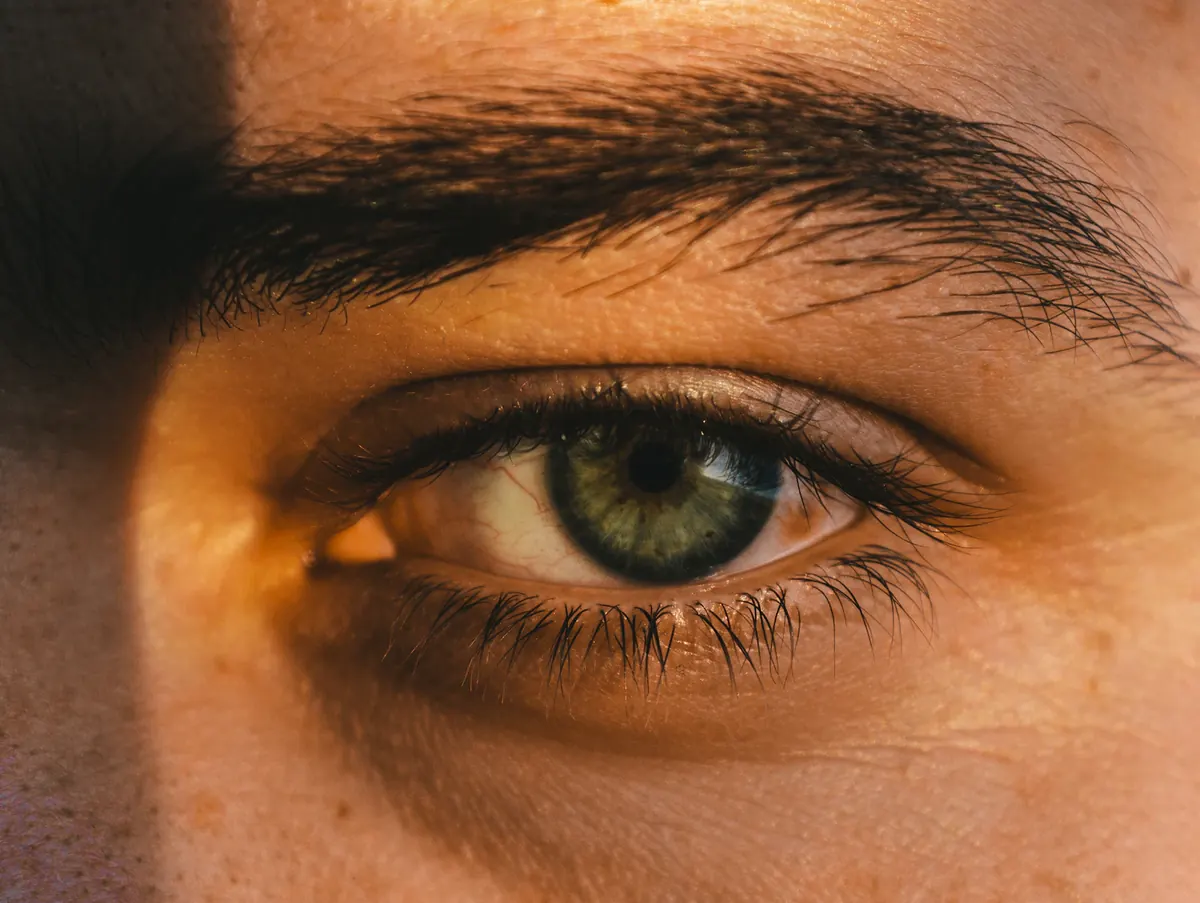
What a stye is
Your eyelids contain dozens of tiny oil glands, called meibomian glands, along with the follicles your eyelashes grow from. When one of these becomes blocked and bacteria get trapped inside, a small infection forms. The result is a stye (also called a hordeolum): a red, swollen and often painful bump right at the edge of the lid, sometimes with a small yellow point.
Styes are very common at every age. They often feel worst for the first few days and then settle.
What a chalazion is
A chalazion is a lump that forms when an oil gland in the eyelid stays blocked and the oil builds up inside it. It is usually further back from the lid edge than a stye, feels firmer, and is often not painful. Some chalazia start as a stye; others appear slowly without much redness at all.
A chalazion can last for weeks. A large one can press on the eye and blur your vision, which is a good reason to have it looked at.
Stye or chalazion: a quick comparison
| Stye | Chalazion | |
|---|---|---|
| Where | At the edge of the lid, near the lashes | Further back in the lid |
| Feels | Tender or painful | Firm, often painless |
| Looks | Red and swollen, may have a yellow point | A smooth, round lump |
| Cause | Infection of a gland or lash follicle | A blocked oil gland |
| How long | Often settles within a week or two | Can last for weeks |
Why some people keep getting them
If you get styes or chalazia again and again, the cause is often an ongoing problem with the eyelids rather than bad luck. Common links include:
- Meibomian gland dysfunction, where the oil glands are often thick or blocked
- Blepharitis, an inflammation of the eyelid edges
- Skin conditions such as rosacea
- Eye makeup left on overnight, or old makeup and brushes
- Touching or rubbing the eyes often
Many of these are also linked to dry eye. Treating the eyelids as a whole can make repeat bumps much less likely.
Should you squeeze a stye?
No. Squeezing or popping a stye can push the infection deeper into the eyelid and make it worse. Leave it alone, keep your hands away from your eyes, and skip eye makeup and contact lenses until your optometrist says it is fine. Your optometrist can advise on home care that suits your eyes.
When to have an eyelid bump checked
At your visit, your optometrist will look closely at the eyelid and the glands with a microscope, check your vision and explain what the bump is. If it needs a procedure or a specialist, we will refer you. Learn more about the other eye conditions we diagnose and manage.
Frequently asked questions
What is the difference between a stye and a chalazion?
A stye is a tender, infected bump at the edge of the eyelid. A chalazion is a firmer, usually painless lump further back in the lid caused by a blocked oil gland.
Are styes contagious?
Styes are not usually spread from person to person, but the bacteria involved can spread, so avoid sharing towels, pillowcases and eye makeup.
Can I wear contact lenses with a stye?
It is best to stop wearing them until the stye has settled, or until your optometrist says it is fine.
Why do I keep getting styes?
Repeat styes often point to an ongoing eyelid problem, such as blocked oil glands or blepharitis. An eyelid assessment can find the cause.
Can an optometrist treat a stye or chalazion?
Yes. Optometrists diagnose and manage eyelid conditions, and refer you to a specialist if a bump needs a procedure.
Our optometrists in Woodbridge see children, adults and seniors. Book an exam and talk it through in person.
Book an eye examThis article is general information, not medical advice. For advice about your eyes, book an exam with an optometrist.
More from the blog

Eye health
Cataracts: early signs and when to get checked
Cloudy vision, glare and faded colours: how cataracts start and when to have them checked.
November 4, 2026
Everyday eye care
Computer eye strain at work: causes and what helps
Tired, dry or blurry eyes after a day at the screen? How to set up your desk and when to get checked.
November 4, 2026
Contact lenses
Contact lenses for astigmatism: your options explained
Yes, you can wear contacts with astigmatism. Toric, rigid and scleral lenses explained.
November 4, 2026