
Eye health
Eye conditions clinic in Vaughan
Avalon Eye Care in Woodbridge (Vaughan) diagnoses and manages a wide range of eye conditions, including glaucoma, cataracts, macular degeneration, diabetic retinopathy, dry eye, red eyes, ocular migraines and floaters. Our optometrists treat many conditions in the clinic and refer you to an ophthalmologist when surgery or specialist care is needed. OHIP covers these visits for many patients.
- Open six days a week
- New patients welcome
- Direct billing to most insurers
Why early diagnosis matters
Many eye conditions are much easier to treat when they are caught early. Some, like glaucoma and early macular degeneration, cause no symptoms until vision has already been lost. A comprehensive eye exam checks whether there is an underlying cause for a vision problem and looks for signs of disease that could threaten your sight.
Your eyes can also show signs of health problems elsewhere in your body. An eye exam can reveal signs of diabetes, high blood pressure, high cholesterol, thyroid disorders, autoimmune disorders, and in rare cases tumours or cancer. When we see something like this, we let you know and share the findings with your family doctor.
To get a full picture, our optometrists use a dilated eye exam, OCT imaging, retinal photography and visual field testing. Each exam also gives you an up-to-date prescription for glasses or contact lenses.
Glaucoma

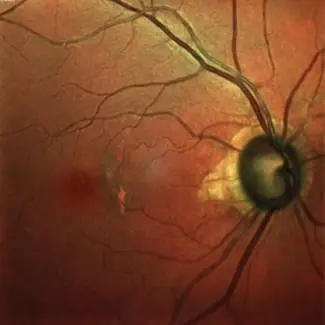
Glaucoma is a group of diseases that damage the optic nerve and can lead to vision loss and blindness. It often happens when the fluid pressure inside the eye slowly rises, but research shows it can also happen with normal eye pressure. There is no way to prevent glaucoma, so regular exams are the only way to find it before it affects your vision.
We check for glaucoma during a dilated exam that includes a visual field test of your side vision. With early treatment, you can often protect your eyes from serious vision loss. Learn more about glaucoma testing in Vaughan.
Diabetic retinopathy
Diabetic retinopathy is a common complication of diabetes and a leading cause of blindness in adults. High blood sugar slowly damages the small blood vessels of the retina, the light-sensitive tissue at the back of the eye. It usually affects both eyes and moves through four stages:
- Mild non-proliferative: tiny bulges (microaneurysms) form in the blood vessels
- Moderate non-proliferative: some retinal blood vessels become blocked
- Severe non-proliferative: more vessels are blocked, so parts of the retina lose their blood supply and signal new vessels to grow
- Proliferative: the most advanced stage, where fragile new vessels grow and can bleed
Early stages have no symptoms. We check for diabetic retinopathy with a dilated exam and imaging. Adults with diabetes are covered by OHIP for these exams. See our diabetic eye exams page.
Macular degeneration (AMD)
Age-related macular degeneration (AMD) damages the macula, the centre of the retina that lets you see fine detail. It affects the sharp, central vision you need for reading, driving and recognizing faces. AMD is a leading cause of vision loss in adults over 50.
There are two forms. Dry AMD is more common and changes slowly. Wet AMD happens when abnormal blood vessels leak fluid under the macula and can cause fast vision loss, so it needs urgent referral. We check for AMD at every comprehensive exam with a dilated exam, retinal photography and OCT, which can show early deposits (drusen) and fluid. Our senior eye care visits include AMD screening.

Cataracts
A cataract is a clouding of the eye's natural lens. It is the leading cause of blindness worldwide, even though surgery to remove cataracts is widely available. Most cataracts are age-related, but they can also form after an eye injury, after surgery for another eye problem such as glaucoma, and some babies are born with them.
Common signs are cloudy or faded vision, glare from headlights at night and needing more light to read. We check for cataracts at every comprehensive exam. When a cataract starts to affect your daily life, we refer you to an ophthalmologist for surgery and care for your eyes before and after. If night glare is making driving hard, ask about a driving vision assessment.
Red eyes (bloodshot eyes)
Red eye means the white of your eye has turned red or pink. It may look like a few squiggly red lines or the whole white of the eye may look red. It can affect one or both eyes and can come with irritation, burning, itching, dryness, pain, discharge, watery eyes, light sensitivity or blurry vision.
Red eye is very common and is usually a symptom of something else, from mild causes like dryness or allergies to serious ones like infection, inflammation or acute glaucoma. If you suddenly develop red eye, see us so we can find the cause and the right treatment. Painful red eyes or red eyes with blurry vision should be seen the same day through our emergency eye clinic.
Ocular and visual migraines
An ocular migraine is a rare condition that causes temporary vision loss, or even temporary blindness, in one eye. It is caused by reduced blood flow or spasms in the blood vessels of the retina or behind the eye. Migraines run in families: some studies suggest up to 70% of people who get them have a family history.
Symptoms usually start as a small blind spot in your central vision in one eye. The blind spot grows, making it unsafe to drive or read with that eye. Sometimes the whole field of vision in one eye is affected. An episode usually lasts less than an hour.
Because sudden vision loss in one eye can also be a sign of a stroke or a retinal problem, a first episode should always be checked. We can rule out other causes and help you understand your triggers.
Dry eye and blepharitis
Dry eye causes burning, grittiness and, oddly, watery eyes. Blepharitis is inflammation of the eyelid edges, often with crusting at the lashes, and it often goes hand in hand with blocked oil glands. Both are long-term conditions that respond well to a daily eyelid care routine. Visit our dry eye clinic page to learn how we treat them.
Conjunctivitis (pink eye)
Conjunctivitis is inflammation of the clear layer over the white of the eye. It can be caused by a virus, bacteria or allergies, and each cause is treated differently. Signs include redness, itching, discharge and crusty lashes in the morning. An exam tells us which type you have, so you get the right care. Our guide to pink eye or allergies explains how the signs differ.
Corneal conditions and uveitis
The cornea is the clear front window of the eye. Scratches, infections, ulcers and conditions such as keratoconus can affect it. Contact lens wearers with a painful red eye should take their lenses out and call us the same day. For irregular corneas, specialty lenses can help; see scleral lenses.
Uveitis is inflammation inside the eye. It can cause redness, pain, light sensitivity and blurry vision, and it can come back. It needs prompt care, and we work with ophthalmologists when specialist treatment is needed.
Floaters and flashes
Floaters are small specks or strings that drift across your vision. Most are harmless changes in the gel inside the eye that come with age. A sudden increase in floaters, flashes of light, or a shadow across your vision can mean a retinal tear or detachment, which needs care right away.
These can be signs of retinal detachment, acute glaucoma or another emergency. Call us right away at 905-856-3937. Outside clinic hours, for sudden vision loss or a chemical injury, go to the nearest emergency department.
What happens at your visit and after
- Tell us what you noticedWe ask about your symptoms, when they started, your general health and your family history.
- Examine and imageDepending on your concern, we may dilate your pupils and use OCT, retinal photos or a visual field test.
- Diagnose and explainWe explain what we found in plain language and what it means for your vision.
- Treat, monitor or referMany conditions are treated here. If you need surgery or specialist care, we refer you to an ophthalmologist and keep caring for you close to home.
OHIP covers a yearly eye exam for patients 19 and under and 65 and over. Adults 20 to 64 are covered when they have certain medical conditions, such as diabetes, glaucoma, cataracts, retinal disease, corneal disease or recurrent uveitis. Other visits are paid privately or through insurance, and we offer direct insurance billing.
Frequently asked questions
What eye conditions does Avalon Eye Care diagnose and treat?
We diagnose and manage cataracts, macular degeneration, glaucoma, diabetic retinopathy, dry eye, blepharitis, conjunctivitis, corneal conditions, uveitis, red eyes, ocular migraines and more. We refer to ophthalmologists for surgery when needed.
What is age-related macular degeneration (AMD)?
AMD is a condition where the macula, the centre of the retina, breaks down and central vision slowly gets worse. It is a leading cause of vision loss in adults over 50. We screen for it at every comprehensive exam with OCT and retinal photography.
What are the signs of a serious eye condition?
Get urgent care for sudden vision loss, flashes of light, a curtain or shadow across your vision, a sudden increase in floaters, a painful red eye or double vision. Call Avalon Eye Care right away at 905-856-3937. Outside clinic hours, for sudden vision loss or a chemical injury, go to the nearest emergency department.
Can an eye exam find other health problems?
Yes. An eye exam can show signs of diabetes, high blood pressure, high cholesterol, thyroid and autoimmune disorders, and occasionally tumours. We tell you what we see and can share findings with your family doctor.
Can glaucoma happen with normal eye pressure?
Yes. Glaucoma is often linked to high eye pressure, but it can also occur with normal pressure. That is why we check the optic nerve and side vision, not just pressure.
Do I need surgery for cataracts?
Not right away. Many people manage early cataracts with an updated prescription. When a cataract starts to affect daily tasks like driving or reading, we refer you to an ophthalmologist for surgery.
Is an ocular migraine dangerous?
An ocular migraine usually passes in under an hour. But sudden vision loss in one eye can also be a sign of a stroke or retinal problem, so a first episode should be checked promptly.
Is my eye condition covered by OHIP?
OHIP covers one eye exam a year for patients 19 and under and 65 and over, plus adults 20 to 64 with certain medical conditions such as diabetes, glaucoma, cataracts and retinal disease. Our front desk can help you check before your visit.
Related articles

Eye health
Pink eye or allergies? How to tell the difference
Itchy, red, watery or sticky: what usually points to pink eye, and what points to allergies.
November 4, 2026Eye health
Styes and eyelid bumps: what they are and when to get them checked
Stye, chalazion or something else? What eyelid bumps usually are and when to have one checked.
November 4, 2026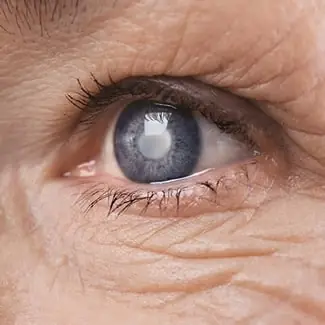
Eye health
Cataracts: early signs and when to get checked
Cloudy vision, glare and faded colours: how cataracts start and when to have them checked.
November 4, 2026Related services
Glaucoma testing
Eye pressure, visual field and optic nerve checks to catch glaucoma early.
Learn more
OCT eye imaging
A painless scan of the layers of your retina and optic nerve, done in seconds.
Learn more
Diabetic eye exams
Yearly OHIP-covered retinal checks to catch diabetic eye disease early.
Learn more
Emergency eye care
Same-day help for eye injuries, infections, red eyes and sudden vision changes.
Learn more