
Occupational vision
Vision assessments in Vaughan for pilot, police, firefighter and licence applications
Many jobs and licences require proof that your vision meets a set standard, signed by an eye doctor. Avalon Eye Care in Woodbridge (Vaughan) completes vision assessments and forms for pilot medicals, police and firefighter applications, and commercial and private driver's licences, and tells you clearly whether you meet the standard and what your options are if you do not.
- Open six days a week
- New patients welcome
- Direct billing to most insurers

What an occupational vision assessment is
Some careers depend on excellent vision. A pilot reads instruments and charts and judges distance at speed. A police officer or firefighter has to see clearly in poor light and recognise colours in an emergency. A truck or bus driver needs wide side vision. For these roles, employers and licensing bodies set vision standards and ask an eye doctor to confirm that you meet them.
An occupational vision assessment measures the specific skills your form asks about, checks the health of your eyes, and records the results on the official form. Our optometrists can complete these forms, and we explain your results in plain language so you know where you stand before you submit anything.
Standards change, and they differ between employers and licence categories. The figures below are the benchmarks we work from. Always check the current requirements from the organisation you are applying to, and bring their form to your visit.
Who we assess
Driving vision requirements in Ontario
A vision test is part of getting a licence for the first time and at renewal, especially for seniors. Good eyesight lets you read the road, react to sudden changes and drive safely.
| Licence class | Sharpness with glasses (if needed) | Visual field |
|---|---|---|
| G and M (car and motorcycle) | 20/50 with both eyes open | 120° across, and 15° above and below the line of sight |
| A, B, C, D, E, F (tractor-trailer, school bus, bus, heavy truck, small bus, ambulance) | 20/30 with both eyes open, and no worse than 20/100 in the weaker eye | 150° across, and 20° above and below the line of sight |
Full details on what we check for drivers are on our driving vision assessment page.
Pilot vision requirements

Vision is so important in aviation that the pilot medical includes a detailed, highly structured eye and vision section. The benchmarks below have applied to commercial pilots, air traffic controllers and private pilot licences. Transport Canada sets and updates the standards, which can differ by medical category, so check your current requirements.
- No eye disease
- Uncorrected vision (without glasses) of 20/200
- Corrected vision (with glasses) of 20/30 in each eye, tested separately
- Near vision of N5 at 30–50 cm (about 20/30), enough to read flight maps and plans
- A spare pair of glasses available while flying
During the exam, our optometrists look for any disease or defect that could cause your vision to fail while flying, or cause pain that could interfere with your duties. Tell us about:
- Any change in your vision or unusual visual experiences, such as halos or flickering lights
- Sensitivity to light
- Eye injuries or eye surgery, including laser vision correction
- Current medications
- Unusual eye fatigue or strain
- Any history of serious eye disease such as glaucoma, or of conditions linked to eye changes, such as diabetes
If you have had laser eye surgery, Transport Canada Civil Aviation Medicine (TC/CAM) currently asks for a follow-up report if complications arise beyond the initial assessment period. The same form as the original report is used, and an optometrist or ophthalmologist can complete it.
Police vision requirements
Requirements differ slightly between the RCMP, the OPP and municipal police services. The following benchmark will meet the requirements of police services in Ontario:
- Uncorrected vision (without glasses) of 20/40 with both eyes open
- Corrected vision (with glasses) of 20/20 with both eyes open
- Full visual fields
- Normal colour vision
- No eye disease
Laser vision correction (LASIK or PRK) is allowed to help you meet these standards. If your uncorrected vision falls short, a LASIK and PRK consultation can tell you whether surgery is an option, and how long to allow for healing before your application.
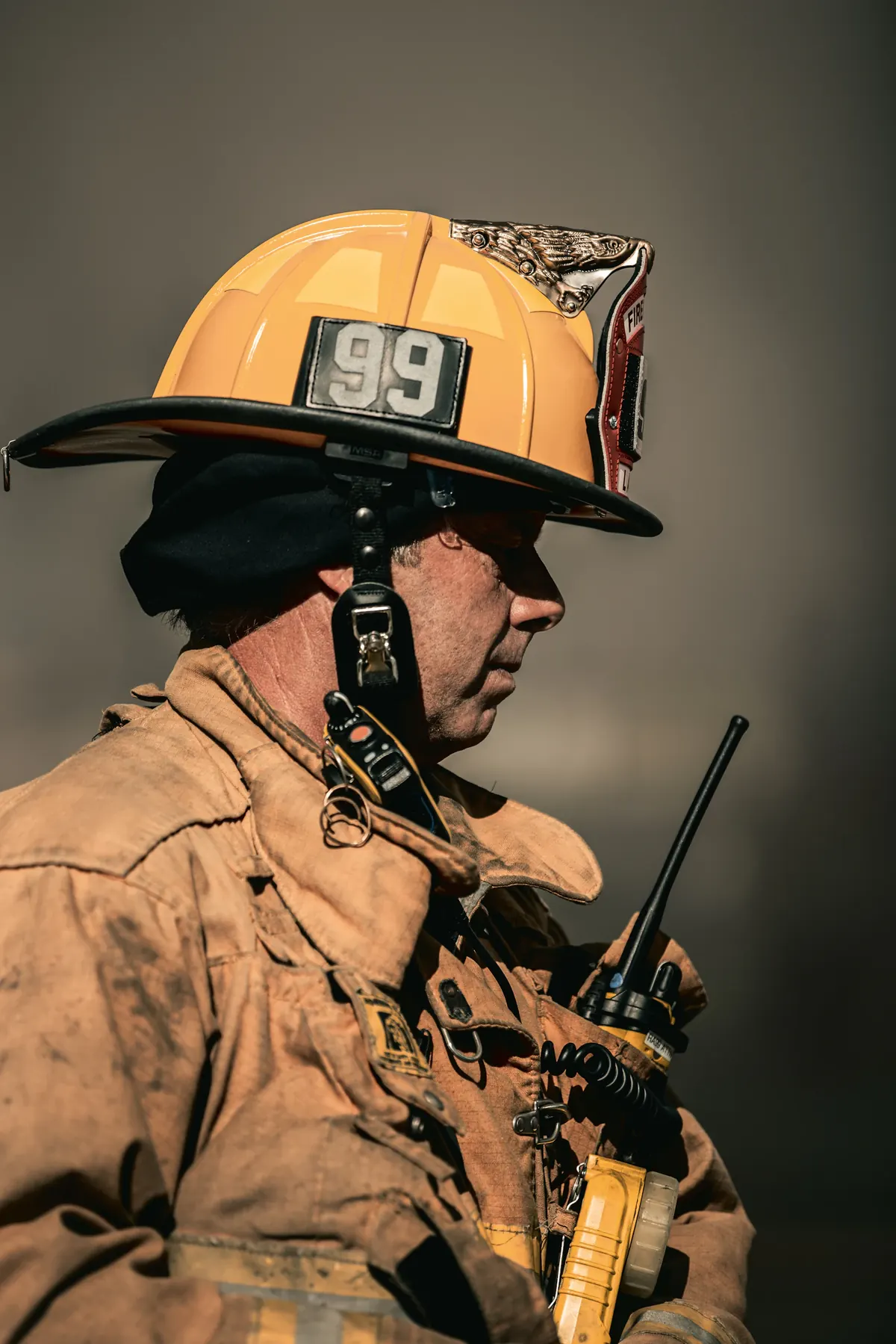
Firefighter vision requirements
Fire services set their own vision standards, usually covering sharpness with and without glasses, colour vision, depth perception and visual field. Bring the exact form or standard from the service you are applying to, and we will test each item it lists.
A firefighter vision assessment is also a full eye health check. Many sight-threatening diseases, including glaucoma, macular degeneration, cataracts and diabetic retinopathy, cause few or no symptoms until they are advanced. Early detection and treatment are key to stopping or slowing these diseases and protecting your sight, so we look for early signs during your exam.
The tests explained
| Test | What it shows |
|---|---|
| Uncorrected and corrected acuity | How sharp your vision is without glasses and with your best correction, one eye at a time and both together |
| Near vision | Whether you can read small print, maps and instruments at a normal working distance |
| Visual field | How wide your side vision is and whether there are any blind spots |
| Colour vision | Whether you can tell colours apart reliably, such as signals, warning lights and coded charts |
| Depth perception and eye alignment | How well your eyes work together to judge distance |
| Eye health exam | Signs of disease in the front and back of the eye that could affect your vision now or later |
If you already know you have a colour vision deficiency, a lazy eye or a previous eye injury, tell us when you book. Some standards allow extra testing or a specialist report, and it is better to plan for that early than to find out close to a deadline.
Your visit, step by step
- Book and send detailsCall or book online, and tell us which organisation and form you have. Some forms need extra tests, so this helps us plan your appointment time.
- HistoryWe ask about your vision, eye injuries, surgery, medications and general health.
- Vision testingDepending on the form, we measure distance and near vision with and without glasses, visual field, colour vision, depth perception and eye alignment.
- Eye health examYour optometrist examines the front and back of your eyes, as in a comprehensive eye exam. Dilating drops may be used.
- Form completionWe record the results on your form, sign it, and explain whether you meet each part of the standard.
- Next stepsIf you fall short, we explain your options, such as an updated prescription, contact lenses, treatment or a referral.
What to bring
- The official form or written vision standard from your employer or licensing body
- Photo ID
- All your current glasses, plus a spare pair if your standard requires one
- Contact lenses if you wear them, and your lens prescription
- Records of any eye surgery, including laser vision correction
- A list of medications and your OHIP card
- A driver home in case your eyes are dilated
Cost and coverage
Vision assessments for employment and licensing are generally not covered by OHIP, and there is usually a fee for completing the form. Some employers pay for the assessment, so ask before your visit and keep your receipt. If you are 19 or under or 65 or over, your yearly OHIP eye exam may cover part of the visit. Call us for current fees.
After your assessment
You receive your completed form to submit as your employer or licensing body directs. If we found an eye condition, we will explain it and arrange treatment or monitoring. Ongoing standards such as pilot medicals need renewing, so keep up regular eye exams to avoid surprises at your next renewal.
Frequently asked questions
Can an optometrist complete my pilot vision report?
Yes. Optometrists can complete the eye and vision part of an aviation medical, and Transport Canada accepts follow-up reports after laser eye surgery from either an optometrist or an ophthalmologist.
What vision do I need to become a police officer in Ontario?
A benchmark that meets Ontario police service requirements is 20/40 uncorrected and 20/20 corrected with both eyes open, full visual fields, normal colour vision and no eye disease. Exact rules differ between the RCMP, the OPP and municipal services.
Can I have LASIK or PRK to meet police vision standards?
Yes, laser vision correction is allowed to help you meet police vision standards. Allow time for healing and follow-up before your application.
What are the vision requirements for firefighters?
Each fire service sets its own standards, usually covering sharpness, colour vision, depth perception and visual field. Bring your service's form or written standard and we will test each item.
What should I bring to an occupational vision assessment?
Bring the official form or written standard, photo ID, all your glasses and contact lenses, records of any eye surgery and a list of medications.
Is an occupational vision assessment covered by OHIP?
Usually not. There is generally a fee for employment and licensing forms, and some employers will reimburse it. Call us for current fees.
What if I do not meet the standard?
We explain which part you missed and your options, such as an updated prescription, contact lenses, treatment of an eye condition or a laser surgery consultation, then reassess when you are ready.
How do I book?
Call 905-856-3937 (905-856-EYES) or book online, and tell us which form you need completed so we can schedule enough time.
Related services

Driving vision assessment
Vision checks and MTO Driver Vision Reports for car and commercial licences.
Learn more
LASIK and PRK consultation
Laser eye surgery consultations and before-and-after care close to home.
Learn more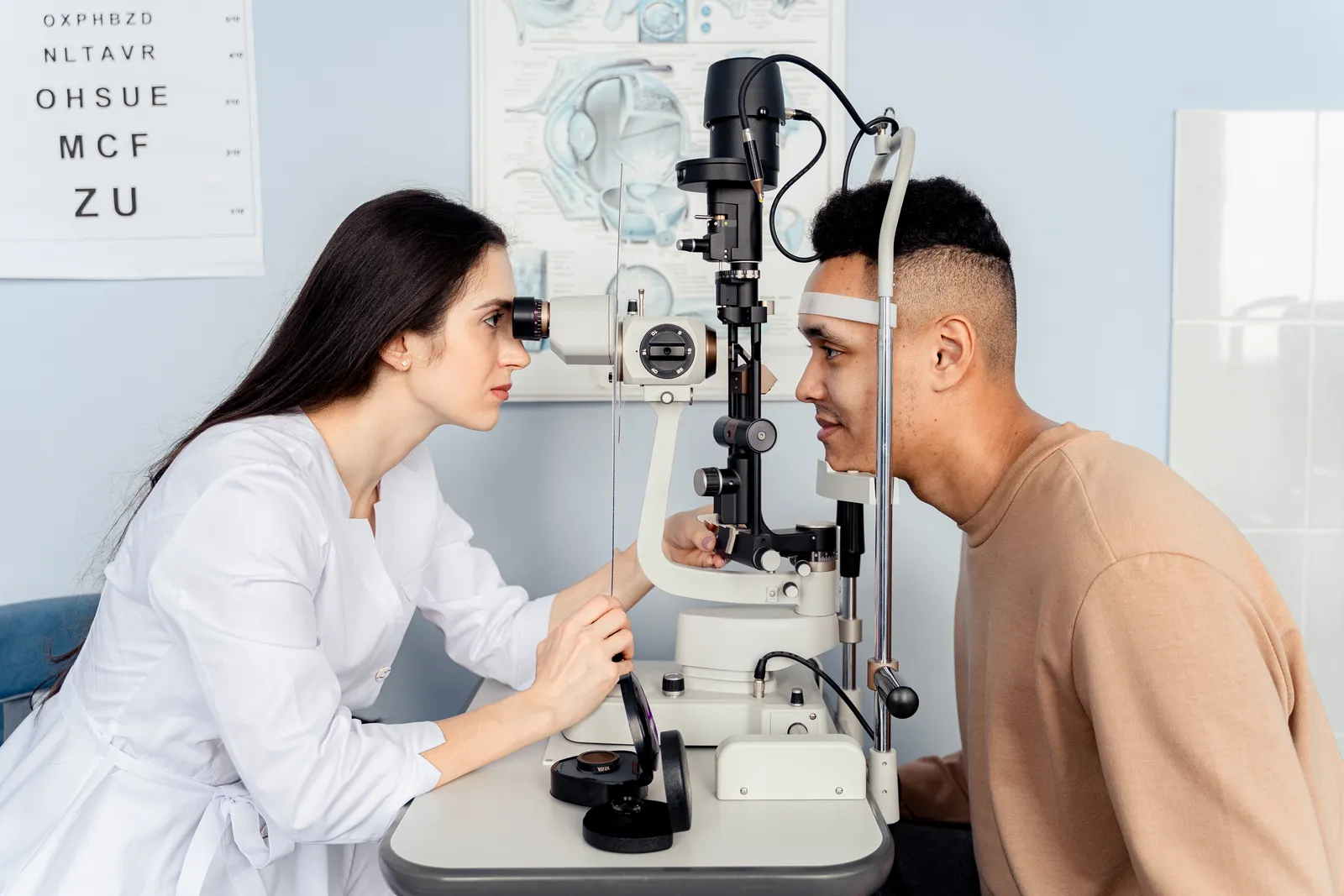
Comprehensive eye exams
A full vision and eye-health check for children, adults and seniors.
Learn more
Contact lens fitting
Fittings for daily, toric, multifocal, Ortho-K and specialty lenses.
Learn more