
Neurolens
Neurolens in Vaughan for headaches and eye strain
Neurolens are prescription glasses with a built-in contoured prism that corrects a slight eye misalignment, which can cause headaches, neck tension and eye strain, especially with screen use. Avalon Eye Care in Woodbridge (Vaughan) is a certified Neurolens provider: we measure your eye alignment with the Neurolens Measurement Device and your optometrist prescribes lenses if you are a good candidate.
- Open six days a week
- New patients welcome
- Direct billing to most insurers

What is eye misalignment?
Your two eyes are meant to point at exactly the same spot. Many people have a slight misalignment, called binocular vision dysfunction, where one or both eyes sit very slightly out of position. Your brain wants one clear, single image, so the eye muscles work all day to pull the eyes back into line.
That constant effort can show up far from the eyes: a band of tension across the forehead, a stiff neck, sore shoulders, or tired, burning eyes by mid-afternoon. It often gets worse with long hours on a computer or phone, which is one reason these symptoms are common with remote work and learning.
A small misalignment is easy to miss. It does not blur your vision, and a standard eye chart does not detect it. Symptoms are sometimes put down to tension headaches, migraines or stress. Even a small misalignment can cause discomfort, and even a small prism correction can make a noticeable difference for the right person.
Do these symptoms sound familiar?
- Frequent headaches, or headaches that build through the day
- Neck, shoulder or upper back tension
- Tired, burning or dry-feeling eyes after reading or screen use
- Trouble reading for long periods
- Sensitivity to light
- Dizziness, a motion-sick feeling or balance problems
- Difficulty with night driving
- Tilting your head to one side while reading
If these sound like you and regular glasses, contact lenses or medication have not solved the problem, a Neurolens assessment is a reasonable next step. These symptoms have many possible causes, so we look at the whole picture rather than assuming the eyes are to blame.
How Neurolens works
Prism in glasses is not new. Optometrists have used it for decades to help eyes that do not line up. Traditional prism has the same power across the whole lens. Neurolens uses a patented contoured prism, where the prism changes gradually from the top of the lens to the bottom.
That matters because your eyes need different alignment help at distance than they do up close. When you look through the top of the lens, at the road or across a room, you get one amount of prism. When you look down to a phone, book or laptop, the lens gives a different amount. The aim is to reduce how hard your eye muscles have to work, so they can relax.
The contoured prism is built into a lens that also carries your regular prescription, so you do not need a separate pair. Blue light filter options are also available if you spend long hours on digital devices. Pairing alignment correction with your focusing prescription is a practical way to tackle digital eye strain from both sides.
Neurolens compared with regular glasses
| Regular glasses | Neurolens | |
|---|---|---|
| Corrects distance and near focus | Yes | Yes |
| Corrects eye misalignment | No | Yes |
| Aimed at headaches and eye strain from misalignment | No | Yes |
| Prism that changes from distance to near | No | Yes |
| Measured with an eye-tracking alignment device | No | Yes |
Neurolens is not right for everyone. If your symptoms come mainly from dry eye, an out-of-date prescription or a focusing problem, other treatment may help more. That is why the assessment comes first.
Your Neurolens assessment, step by step
- Symptom questionnaireYou tell us about your headaches, neck pain, eye strain and screen habits so we know how symptoms affect your day.
- Alignment measurementYou look into the Neurolens Measurement Device (NMD2). It uses eye tracking to measure your eye alignment at distance and near. It is non-invasive, involves no drops or puffs of air, and the measurement itself takes only a few minutes.
- Eye examYour optometrist checks your prescription and eye health. If you have not had a recent comprehensive eye exam, we include one or book it with your assessment.
- PrescriptionUsing your measurements and symptoms, your optometrist decides whether Neurolens is a good fit and calculates the contoured prism for your lenses.
- Frame selectionYou choose frames in our optical boutique, and we take fitting measurements for the lenses.
- Pick-up and follow-upWe fit and adjust your new glasses and check in after you have worn them for a few weeks.
Plan for about 15 minutes for the Neurolens assessment itself, and longer if a full eye exam is done at the same visit.
What to expect after you start wearing them
Everyone adjusts at their own pace, and your optometrist will tell you what to expect. Wear them as your main glasses, not only now and then, so your eyes and brain can settle into the new alignment.
Results vary. Some people feel a big change, some a modest one, and some do not find the relief they hoped for. If your symptoms have not improved, tell us. We may fine-tune the prescription or look at other causes, such as dry eye or an eye teaming problem that responds better to vision therapy. Headaches that are severe, sudden or new should always be checked by your family doctor as well.
What to bring
- The glasses you wear most, including any computer or reading pair
- Your contact lenses or their box if you wear them
- Your OHIP card and extended health plan details
- A short note on your headaches: how often, when they start and what helps
- A list of medications
Cost and coverage
Neurolens is not covered by OHIP, because OHIP does not cover eyeglasses. Many extended health plans include an eyewear allowance that can be used towards Neurolens glasses. We offer direct insurance billing with most insurers and provide receipts if you need to submit a claim yourself.
The Neurolens measurement has been offered with a comprehensive eye exam. Call us to confirm current fees for the exam, the assessment and the lenses, which depend on the lens design you need.
Neurolens and digital eye strain
Most of us feel some eye strain after long hours on a computer, tablet or phone. This is often called digital eye strain or digital vision syndrome. Screens keep your eyes locked at a close distance for hours, which asks a lot of both your focusing and your eye alignment. If you already have a slight misalignment, that extra demand is often when symptoms show up.
A good plan tackles more than one cause. Neurolens addresses the alignment part with contoured prism, and blue light filter options can be added to the lenses. We also look at your focusing prescription, your working distance, and how well your tear film holds up, because dry, irritated eyes add to the strain. Simple habits help too: take regular breaks, look into the distance every 20 minutes or so, and keep your screen at a comfortable distance and height.
Is Neurolens right for you?
Neurolens may be worth considering if:
- You have headaches, neck tension or eye strain most days, especially with screens
- New glasses or an updated prescription have not helped
- Your symptoms ease when you close your eyes or step away from close work
- Your family doctor has ruled out other causes of your headaches
It may be less suitable if your symptoms come mainly from another cause, or if your measurements show little or no misalignment. In that case we will tell you, and suggest what is more likely to help.
Who we see for Neurolens
We see people from Vaughan, Toronto and across the GTA who spend long days at screens, students with heavy reading loads, and drivers who find night driving tiring. If you also suffer from headaches linked to eye strain, our blog explains more about the connection.
Frequently asked questions
What is Neurolens?
Neurolens is a prescription lens with a contoured prism that corrects eye misalignment, also called binocular vision dysfunction. Reducing the effort your eyes make to stay aligned may ease headaches, neck pain, eye strain and dizziness, especially during screen use.
How is Neurolens different from regular prism glasses?
Traditional prism has the same power across the whole lens. Neurolens uses a patented contoured prism that changes gradually from top to bottom, matching how your eyes shift between distance and near tasks.
Who is a candidate for Neurolens?
You may benefit if you have frequent headaches, neck or shoulder tension, eye strain, light sensitivity or dizziness with screen use or reading, and standard glasses have not helped. The assessment measures your misalignment so your optometrist can decide.
How is Neurolens measured?
We use the Neurolens Measurement Device, an eye-tracking instrument that measures your eye alignment at distance and near. It is non-invasive, the measurement takes a few minutes, and the whole assessment is about 15 minutes.
How quickly will I feel relief?
Everyone adjusts at their own pace. Results vary from person to person, and we follow up to make sure the lenses are working for you.
Is Neurolens covered by OHIP or insurance?
OHIP does not cover eyeglasses, so Neurolens is not OHIP-covered. Many extended health plans include an eyewear allowance that can apply; we direct-bill most insurers and provide receipts.
Is Avalon Eye Care a certified Neurolens provider?
Yes. Avalon Eye Care at 200 Whitmore Rd, Unit 15 in Woodbridge (Vaughan) is a certified Neurolens provider.
How do I get Neurolens at Avalon Eye Care?
Call 905-856-3937 (905-856-EYES) or book online for a Neurolens assessment. If you are a candidate, you choose frames and we order your lenses.
Can Neurolens include blue light filtering?
Yes, blue light filter options are available with Neurolens. Ask your optometrist whether a filter makes sense for how you use screens.
Related articles
Specialty services
Neurolens for headaches: does it actually work?
How eye misalignment can cause daily headaches, and who Neurolens may help.
March 6, 2026
Everyday eye care
Blue light, screens and eye strain: what actually helps
Does blue light hurt your eyes? What really causes screen eye strain, and what helps.
October 15, 2026
Everyday eye care
Computer eye strain at work: causes and what helps
Tired, dry or blurry eyes after a day at the screen? How to set up your desk and when to get checked.
November 4, 2026Related services

Vision therapy
Treatment for eye teaming, tracking and focusing problems in kids and adults.
Learn more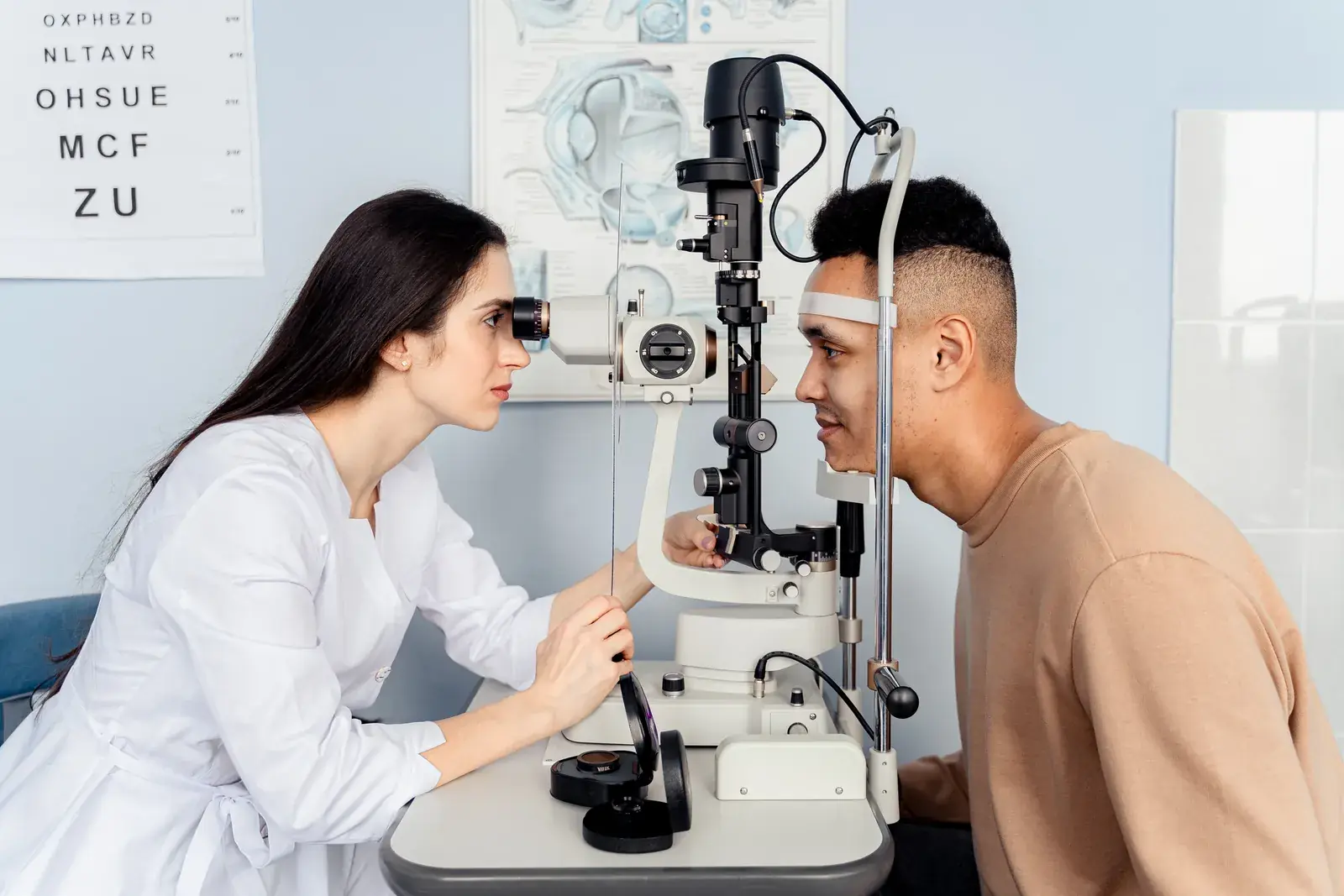
Comprehensive eye exams
A full vision and eye-health check for children, adults and seniors.
Learn more
Dry eye clinic
Find the cause of burning, gritty or watery eyes and get a plan that works.
Learn more
Prescription lenses
Single vision, bifocal, progressive, thin high-index and coated lenses.
Learn more