
Diabetic eye exams
Diabetic eye exams in Vaughan
If you have diabetes, Avalon Eye Care in Woodbridge (Vaughan) provides yearly diabetic eye exams that include a dilated retinal check and digital retinal photography to find diabetic retinopathy, macular edema, glaucoma and cataracts early. OHIP covers one comprehensive eye exam every 12 months for Ontario residents with diabetes at any age, with no referral needed. We bill OHIP directly and send a report to your family doctor or endocrinologist at no charge.
- Open six days a week
- New patients welcome
- Direct billing to most insurers
Why a yearly eye exam matters when you have diabetes
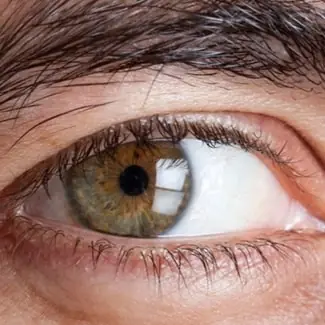
If you have diabetes, an annual eye exam is not optional. It is essential. Eye disease is a common complication of diabetes and can lead to blindness. Diabetic eye disease is the leading cause of blindness in working-age Canadians, and most people notice no symptoms until vision loss is already advanced.
The good news is that it is largely preventable with early detection and treatment. Early damage can happen without pain, redness or blurry vision, so regular exams by an optometrist or ophthalmologist are the only way to find changes in time. When caught early, diabetic eye disease can be treated with medication or laser to prevent permanent damage. Left untreated, it can lead to blindness.
Your eye exam also gives you and your doctors a picture of how diabetes is affecting your overall health, because the retina is the only place in the body where we can see blood vessels directly.
Eye conditions linked to diabetes
Diabetic retinopathy usually develops in stages. In early stages, small blood vessels weaken and leak, and there are no symptoms. In later stages, the eye may grow fragile new vessels that can bleed or pull on the retina. That is when people notice floaters, blurred vision, dark areas or sudden loss of sight.
Who should book
- Anyone diagnosed with type 1 or type 2 diabetes
- People with prediabetes or gestational diabetes who have been told to have their eyes checked
- Anyone with diabetes who is planning a pregnancy or is pregnant, since retinopathy can change faster during pregnancy
- People with diabetes who also have high blood pressure or high cholesterol
- Anyone with diabetes whose vision has changed, even if it comes and goes
You do not need to be a child or a senior to be covered. If you have diabetes, OHIP covers your yearly exam at any age.
What to expect at your diabetic eye exam
- Health reviewWe ask about your type of diabetes, how long you have had it, your medications, your recent blood sugar control and any vision changes.
- Visual acuity testWe measure how well you see at distance and up close, and update your prescription if needed.
- Eye pressure (IOP)We measure the pressure inside your eyes to screen for glaucoma.
- Dilated fundus examDrops widen your pupils so your optometrist can examine the retina, optic nerve and blood vessels in detail.
- Digital retinal photographyWe take a high-resolution image of your retina. It sets a baseline so we can compare year over year and catch small changes.
- OCT if neededIf we suspect swelling in the macula, an OCT scan shows the layers of the retina in cross-section.
- Results and reportWe explain what we found and send a detailed diabetic eye report to your family doctor or endocrinologist at no charge.
Because dilation is part of the exam, your vision may be blurry and sensitive to light for 4 to 6 hours afterward. Bring sunglasses and consider arranging a ride home.
OHIP coverage for diabetic eye exams
OHIP covers one comprehensive eye exam every 12 months for all Ontario residents diagnosed with diabetes, regardless of age. You only need a valid Ontario health card, and no referral is needed. Avalon Eye Care bills OHIP directly.
If your optometrist needs to see you again for follow-up, those visits may also be covered depending on your situation. Glasses and some extra tests are not covered by OHIP, but many extended health plans help, and we offer direct billing to most insurers.
How often you need an exam
| Situation | How often |
|---|---|
| Type 2 diabetes | Every year, starting at diagnosis |
| Type 1 diabetes | Every year, starting within 5 years of diagnosis |
| Retinopathy has been found | Every 3 to 6 months, or as your optometrist advises |
| Pregnancy with diabetes | Before or early in pregnancy, and as advised during it |
Diabetes Canada (formerly the Canadian Diabetes Association) recommends a yearly eye exam for people with diabetes. Even if your vision seems fine, please do not skip it. Retinopathy can damage your central vision slowly, over years, before you notice anything.
How to prepare
- Your Ontario health card
- A list of your medications, including insulin and eye drops
- Your recent A1C or blood sugar results, if you have them
- The name of your family doctor or endocrinologist, so we can send your report
- Your glasses and contact lenses
- Sunglasses, and a driver if possible, because your eyes will be dilated
Take your diabetes medication and eat as usual on the day of your exam.
The stages of diabetic retinopathy
| Stage | What is happening | What you may notice |
|---|---|---|
| Mild non-proliferative | Tiny bulges form in small retinal blood vessels | Nothing |
| Moderate to severe non-proliferative | More vessels leak or become blocked, and blood flow to parts of the retina drops | Usually nothing, sometimes mild blur |
| Proliferative | Fragile new blood vessels grow and can bleed or form scar tissue | Floaters, dark areas, blurred or sudden loss of vision |
| Diabetic macular edema (any stage) | Fluid leaks into the macula and it swells | Blurry or distorted central vision |
Because the early stages are silent, a yearly exam is the only way to know which stage you are in. The earlier we find changes, the more there is that you and your health care team can do to protect your sight.
Protecting your eyes between visits
Keeping your blood sugar, blood pressure and cholesterol in your target range helps prevent or delay diabetic eye disease. Not smoking, staying active and taking medications as prescribed also help. Your eye exam results can be a useful reminder of how your diabetes care is going.
Call 905-856-3937 during clinic hours or see our emergency eye care page. Outside clinic hours, for sudden vision loss or a chemical injury, go to the nearest emergency department.
After your exam
If your eyes are healthy, we will see you again in a year. If we find early retinopathy, we will monitor it more closely with photos and scans. If you need treatment such as injections or laser, we will refer you to a retina specialist or ophthalmologist and share your images. We also manage related problems such as dry eye, which is common in people with diabetes, and help you find the right lenses if your prescription changes.
Our clinic is at 200 Whitmore Rd, Unit 15, Woodbridge, with free parking near Hwy 400 and Hwy 7. We see patients from across Vaughan, Toronto and the GTA.
Frequently asked questions
Why do people with diabetes need yearly eye exams?
Diabetes can damage the blood vessels of the retina, causing diabetic retinopathy, a leading cause of blindness in working-age adults. It has no symptoms in its early stages, and a dilated eye exam finds it when treatment works best.
Is my diabetic eye exam covered by OHIP?
Yes. OHIP covers one comprehensive eye exam every 12 months for Ontario residents diagnosed with diabetes, at any age. You only need a valid health card, no referral is needed, and we bill OHIP directly.
What is diabetic retinopathy?
It is damage to the retina's blood vessels caused by long-term high blood sugar. Early on there are no symptoms; later it can cause floaters, blurry vision, dark areas and sudden vision loss. Yearly exams help catch it early, when it can be treated.
What other eye conditions does diabetes cause?
Diabetes raises the risk of cataracts, glaucoma and diabetic macular edema. We check for all of these at your yearly diabetic eye exam.
How often should I have an eye exam if I have diabetes?
Diabetes Canada recommends a yearly eye exam for everyone with diabetes. If retinopathy has been found, your optometrist may want to see you every 3 or 6 months, depending on how severe it is.
Do I need a referral for a diabetic eye exam?
No. Book directly by calling 905-856-3937 or online, and bring your Ontario health card. We are at 200 Whitmore Rd, Unit 15, Woodbridge (Vaughan).
Will my eyes be dilated?
Yes, a dilated exam is the standard way to check for diabetic changes. Your vision may be blurry and light-sensitive for 4 to 6 hours, so bring sunglasses and consider arranging a ride.
Will you send my results to my doctor?
Yes. We send a detailed diabetic eye report to your family doctor or endocrinologist at no charge. Bring their name and contact details to your visit.
My vision is blurry some days and fine on others. Is that diabetes?
It can be. Swings in blood sugar can change the shape of the lens and blur vision for a while. Book an exam so we can rule out other causes, and avoid buying new glasses until your sugar levels are stable.
Related articles
Eye health
Diabetes and your eyes: how to protect your sight
How diabetes affects your eyes, why yearly exams matter, and what OHIP covers.
October 1, 2026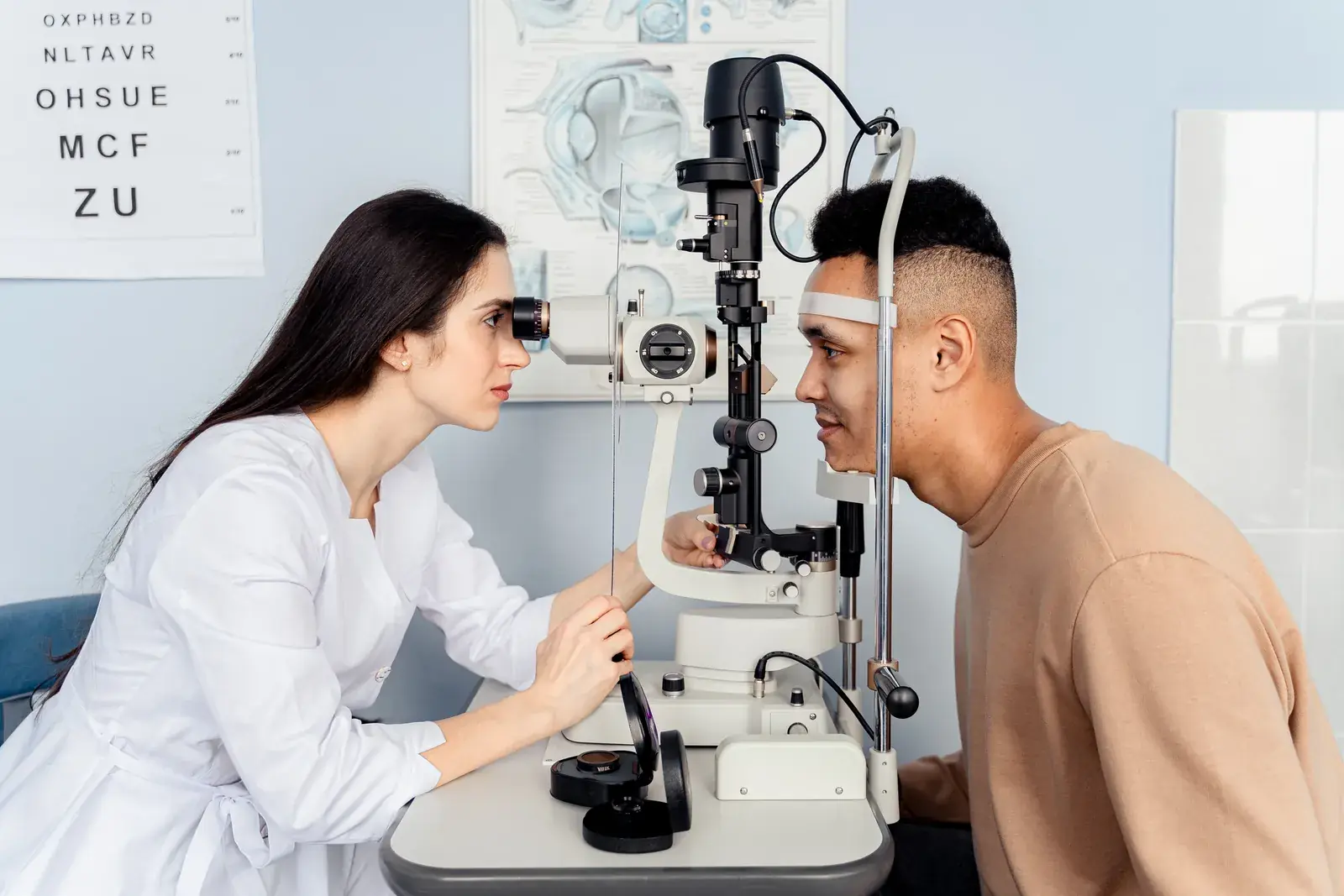
Eye exams
How often should you get an eye exam?
Recommended eye exam frequency by age, plus who needs to come in more often.
September 10, 2026
OHIP and insurance
Does OHIP cover eye exams in Ontario? (2026 guide)
Who OHIP covers for eye exams in Ontario in 2026, and your options if it doesn't.
March 6, 2026Related services
Comprehensive eye exams
A full vision and eye-health check for children, adults and seniors.
Learn more
OCT eye imaging
A painless scan of the layers of your retina and optic nerve, done in seconds.
Learn more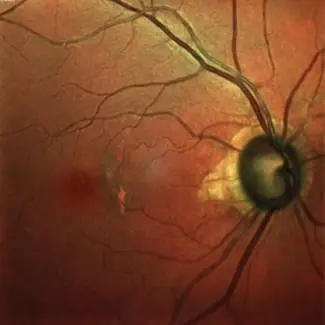
Glaucoma testing
Eye pressure, visual field and optic nerve checks to catch glaucoma early.
Learn more
Eye conditions clinic
Diagnosis and care for cataracts, AMD, glaucoma, red eyes, migraines and more.
Learn more