
Patient centre
Patient education: eye health resources
This is the eye health resource centre from the optometrists at Avalon Eye Care in Vaughan. It explains how often you need an eye exam, common conditions such as cataracts, glaucoma, myopia and dry eye, and links to our services and articles so you can find the right care in Woodbridge.
- Open six days a week
- New patients welcome
- Direct billing to most insurers
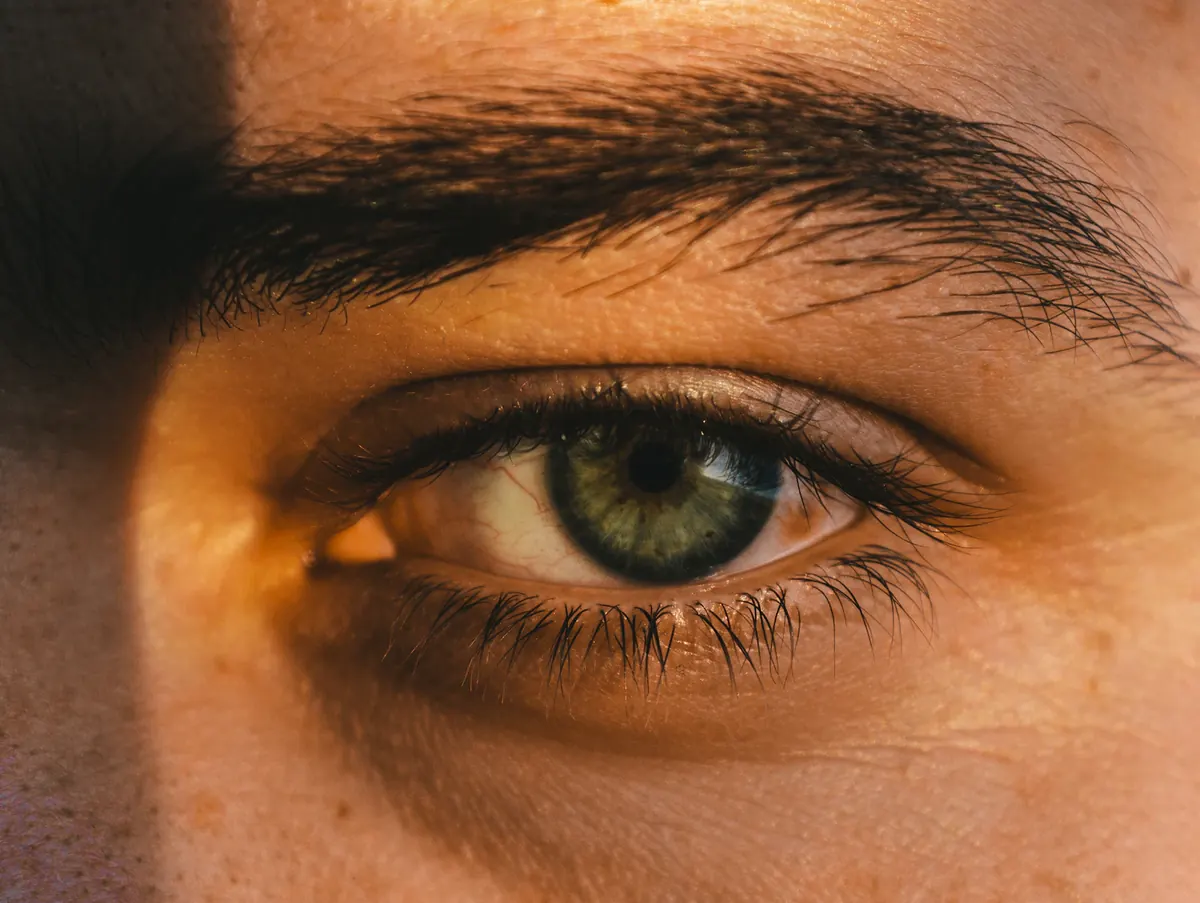
How often should I have my eyes checked?
Even if you have had laser vision surgery or have naturally good vision, you still need regular eye exams. Many eye problems have no early symptoms. Your optometrist will tell you when your next exam should be, based on your age, your eye health and your risk factors.
During an exam, your eye doctor looks for eye muscle imbalance, vision problems and eye disease that could cause trouble later. A comprehensive eye exam is different from a vision screening: it checks how well you see and also examines the inside of your eyes for early signs of disease.
Five reasons eye exams matter:
- Eye exams help children succeed in school.
- Myopia (nearsightedness) is becoming much more common.
- Vision screenings are no substitute for a full eye exam.
- Exams find silent conditions, such as glaucoma, before you notice symptoms.
- Eye exams can reveal other serious health problems, such as diabetes or high blood pressure.
Signs you should get an eye exam
- Your eyes are red, dry or itchy, or you see spots, flashes of light or floaters.
- You have diabetes or another health condition that affects your eyes, or a family history of conditions like diabetes or glaucoma.
- You cannot remember your last eye exam. If it has been longer than a year, you are overdue.
- You have trouble driving at night or reading street signs in the dark.
- You get eye strain, headaches or blurred vision after long periods at a screen.
- You get motion sick or dizzy, or have trouble following a moving target.
- You hold books or your phone further away, squint, or close one eye to read.
- You notice any change in your vision, especially after a head injury.
Call 905-856-3937 during clinic hours or see our emergency eye clinic page. Outside clinic hours, for sudden vision loss or a chemical injury, go to the nearest emergency department.
Common eye conditions
A closer look at cataracts, glaucoma, myopia and dry eye
Cataracts. A cataract is a clouding of the eye's natural lens, which sits behind the iris and pupil. Cataracts are a leading cause of vision loss in people over 40 and the main cause of blindness worldwide. At first a cataract has little effect, but over time you may notice blur, glare or faded colours.
Glaucoma. Glaucoma is a group of eye disorders that damage the optic nerve, which carries information from the eye to the brain. In the early stages it usually has no symptoms. By the time you notice a problem, permanent vision loss may already have happened. Regular testing, including OCT imaging, helps find it early.
Myopia. Nearsightedness is the most common refractive error of the eye. Research from the US National Eye Institute found it rose from 25 percent of Americans aged 12 to 54 in 1971 to 1972, to 41.6 percent in 1999 to 2004. Many eye doctors believe long hours of close-up work and screen use, combined with genetics, play a role. For children, myopia control and orthokeratology can help slow it down.
Dry eye. Dry eye syndrome happens when the surface of the eye does not stay moist and lubricated enough. Effects range from constant, mild irritation to significant inflammation and even scarring of the front of the eye. Our dry eye clinic looks for the cause and builds a treatment plan.
Children's vision
More articles from our optometrists
Frequently asked questions
How often should adults get an eye exam?
Most people should have an eye exam about once a year, even with good vision or after laser surgery. Your optometrist will tell you the right interval for you.
Is a school or driver's vision screening the same as an eye exam?
No. A screening only checks how well you see. A comprehensive eye exam also checks the health of the inside of your eyes for conditions like glaucoma and diabetic eye disease.
Can glaucoma be found before I notice symptoms?
Yes. Glaucoma usually has no early symptoms, which is why regular eye exams and tests such as OCT imaging are important.
Why is myopia becoming more common?
The exact cause is unknown, but many eye doctors believe long periods of close-up work and screen use, together with genetics, play a part.