
Driving vision
Driving vision assessments in Vaughan
A driving vision assessment checks every part of your vision that matters behind the wheel, including sharpness, side vision, contrast, glare recovery, depth perception and colour vision. Avalon Eye Care in Woodbridge (Vaughan) provides these assessments for new drivers, licence renewals, seniors and commercial drivers, and our optometrists can complete Ontario Ministry of Transportation Driver Vision Report forms.
- Open six days a week
- New patients welcome
- Direct billing to most insurers

Why vision matters for driving
Most of what you need to drive safely comes in through your eyes. You read signs, judge the speed of oncoming traffic, spot a cyclist at the edge of your view and recover from headlight glare, often all within a few seconds. A vision test is part of getting a driver's licence for the first time, and it matters again at renewal, especially for seniors.
Many vision changes happen so slowly that you do not notice them. Cataracts can make night driving harder long before daytime vision blurs. Glaucoma can quietly narrow your side vision. A driving vision assessment looks for these problems so you can keep driving safely, and with confidence.
Ontario vision requirements for drivers

Ontario sets minimum vision standards by licence class. These are the standards as we understand them; the Ministry of Transportation (MTO) can update them, so we always check your results against the current rules.
| Licence class | Sharpness with glasses (if needed) | Visual field |
|---|---|---|
| G and M (car and motorcycle) | 20/50 with both eyes open | 120° across, and 15° above and below the line of sight |
| A, B, C, D, E, F (commercial: tractor-trailer, school bus, bus, heavy truck, small bus, ambulance) | 20/30 with both eyes open, and no worse than 20/100 in the weaker eye | 150° across, and 20° above and below the line of sight |
If you need glasses or contact lenses to meet the standard, your licence will usually carry a condition that you wear them while driving. Make sure your prescription is current, and keep a spare pair in the car.
What we check
- Visual acuity: how sharp your vision is at distance, with and without your glasses
- Peripheral vision: how wide your field of view is, measured with visual field testing
- Contrast sensitivity: how well you see in fog, rain, dusk and other low-contrast conditions
- Glare recovery: how quickly your eyes recover after bright headlights or sun
- Depth perception: how well your eyes work together to judge distance
- Colour vision: including recognition of traffic signal colours
- Eye health: signs of cataracts, glaucoma, macular degeneration or diabetic eye disease that could affect driving
Eye health matters as much as the numbers. Conditions such as glaucoma and diabetic retinopathy often have few symptoms until they are advanced, and early treatment can help protect your vision and your licence.
Who needs a driving vision assessment
- Seniors renewing a licence, or families who have noticed changes in a parent's driving
- Commercial drivers (classes A to F) who need a vision report for a licence or renewal
- Drivers who received a letter from the MTO asking for a vision report or medical review
- People referred by their family doctor after a health change, such as a stroke or diabetes
- Drivers with a known eye condition who want to know where they stand
- Anyone who finds night driving, glare or reading signs harder than before
The MTO may ask for a medical review, including a vision assessment, if there are concerns about your ability to drive safely because of age, a health condition or a reported incident. In some cases a separate fitness-to-drive evaluation, such as a DriveAble assessment, may also be required. We handle the vision part and can explain what else the ministry is asking for.
Signs your vision may be affecting your driving
- Trouble reading road signs until you are close to them
- Headlight glare that lingers or feels blinding
- Difficulty seeing lane markings at night or in rain
- Being surprised by cars or pedestrians coming from the side
- Misjudging distances when parking or turning
- Feeling tired or tense after short drives
Common eye conditions that affect driving
Many of these can be treated or managed, and treatment often helps people keep driving safely for longer. Our OCT imaging lets us spot changes in the retina and optic nerve early.
For seniors and their families
Giving up the car keys is a hard conversation, and it is often not necessary. In many cases a new prescription, cataract surgery or treatment for an eye condition is enough to keep someone driving safely. An objective vision assessment gives everyone facts to work with instead of guesses.
If you are worried about a parent's driving, you are welcome to come to the appointment with them. We will explain the results to both of you, describe what the MTO standard means in everyday terms, and suggest practical steps. These might include avoiding night driving, using anti-reflective lenses, or planning routes in daylight while an eye condition is being treated.
Your visit, step by step
- Book and tell us about your formLet us know if you have an MTO Driver Vision Report, a commercial licence form or a doctor's referral. Bring the form with you.
- HistoryWe ask about your driving, any vision difficulties, health conditions and medications.
- Vision testingWe measure acuity with and without glasses, check your visual field, contrast and colour vision, depth perception and glare recovery.
- Eye health checkYour optometrist examines the front and back of your eyes. Dilating drops may be used, so consider bringing a driver.
- Results and formWe explain whether you meet the standard for your licence class and complete the required form. If you do not, we discuss options such as new glasses, treatment or a referral.
What to bring
- Your MTO letter or Driver Vision Report form, or any employer or medical form
- Your driver's licence
- All the glasses you drive in, and your contact lenses if you wear them
- Your OHIP card and extended health plan details
- A list of medications and health conditions
- Someone to drive you home in case your eyes are dilated
Cost and coverage
OHIP covers one eye exam a year for patients 19 and under and 65 and over. Call us to check or confirm your coverage. Completing an MTO or employer form is usually not an insured service, so there is normally a separate fee for the form. Call us for current fees, and see senior eye care for more on exams for older drivers.
After your assessment
If you meet the standard, we complete your form and you submit it as the MTO or your employer directs. If an updated prescription will help, we can fit you with new glasses, including lenses that reduce glare for night driving. If we find an eye condition, we explain treatment, set up monitoring, or refer you to a specialist, such as for cataract surgery.
Pilots, police applicants and firefighters have different vision standards. See our occupational vision assessments page.
Frequently asked questions
What is a driving vision assessment?
It evaluates all the parts of vision that matter for safe driving: acuity, peripheral vision, contrast sensitivity, glare recovery, depth perception and colour vision, along with eye health. We see seniors, commercial drivers and people referred by their doctor or the MTO.
Can an optometrist complete a Driver Vision Report in Ontario?
Yes. Optometrists are authorized to complete Ministry of Transportation Driver Vision Reports in Ontario, and we can complete yours at your appointment.
When does the MTO require a vision assessment?
The MTO may ask for a medical review, including vision, if there are concerns about your ability to drive safely due to age, a health condition or a reported incident. A separate fitness-to-drive evaluation may also be needed.
What vision do I need for a G licence in Ontario?
For G and M licences, the standard is 20/50 with both eyes open, with glasses if needed, and a visual field of 120 degrees across, and 15 degrees above and below the line of sight.
What vision do commercial drivers need?
For classes A to F, the standard is 20/30 with both eyes open and no worse than 20/100 in the weaker eye, with glasses if needed, plus a visual field of 150 degrees across, and 20 degrees above and below the line of sight.
Is a driving vision assessment covered by OHIP?
OHIP covers one eye exam a year for patients 19 and under and 65 and over. Call us to check or confirm your coverage. The fee for completing an MTO or employer form is usually not covered; call us for current fees.
What should I bring?
Bring your MTO letter or form, your licence, all the glasses you drive in, your OHIP card and a list of medications. Arrange a driver in case we dilate your eyes.
Related articles
Specialty services
The Ontario driver's licence vision test: what you need to know
The vision standard for an Ontario car licence, what happens if you do not pass, and how to prepare.
November 4, 2026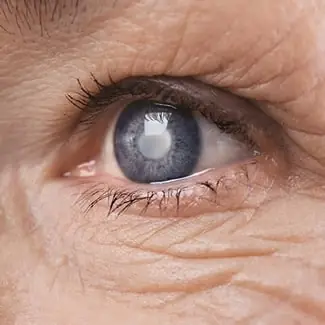
Eye health
Cataracts: early signs and when to get checked
Cloudy vision, glare and faded colours: how cataracts start and when to have them checked.
November 4, 2026Related services

Occupational vision assessments
Vision exams and forms for pilots, police, firefighters and commercial drivers.
Learn more
Senior eye care
Yearly OHIP-covered exams for 65+, with cataract, AMD and glaucoma checks.
Learn more
Comprehensive eye exams
A full vision and eye-health check for children, adults and seniors.
Learn more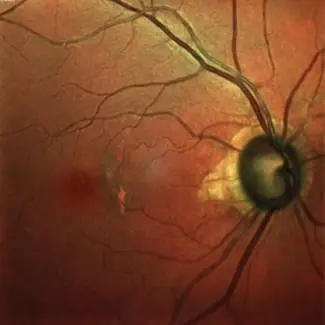
Glaucoma testing
Eye pressure, visual field and optic nerve checks to catch glaucoma early.
Learn more