
Prescription lenses
Custom prescription lenses in Vaughan
Avalon Eye Care in Woodbridge (Vaughan) makes up prescription glasses with single vision, bifocal, progressive and office lenses, in thin high-index materials and with coatings such as anti-reflective, blue light filtering, photochromic and polarized. Our team matches the lens to your prescription, your frame and how you use your eyes, and we bill most insurance plans directly.
- Open six days a week
- New patients welcome
- Direct billing to most insurers

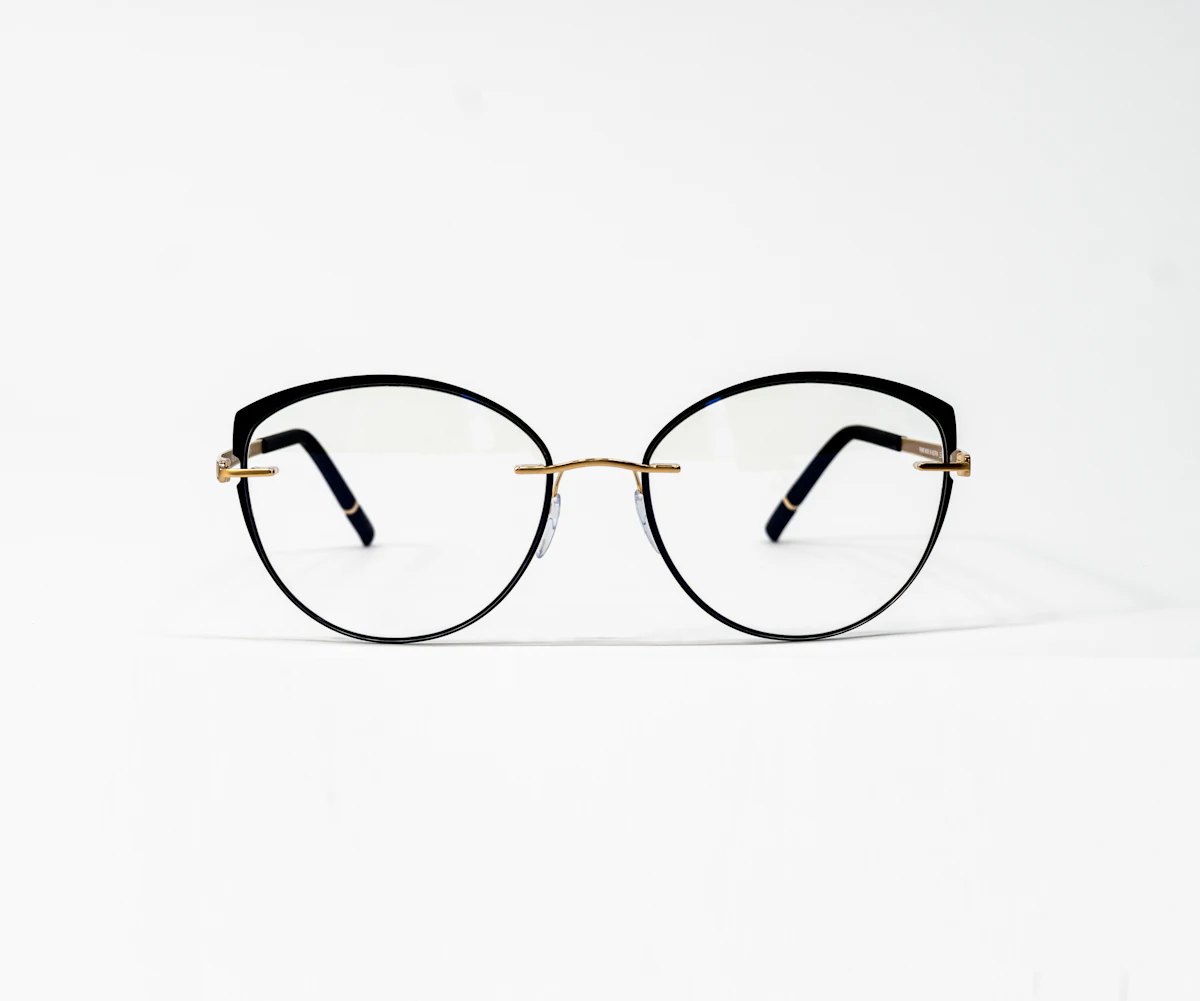

Why your lenses matter as much as your frames
The frame you choose sets your look. The lenses decide how well you actually see. Your lens choice affects four things: appearance, comfort, vision and safety. Two people with the same prescription can need very different lenses, because one spends the day at a laptop and the other drives for a living.
Your prescription starts with a comprehensive eye exam. Our optometrists measure how your eyes focus, whether you are nearsighted, farsighted or have astigmatism, and whether you need help up close. Our team then turns that prescription into a pair of glasses that suits your frame, your face and your day.
Lens types: single vision, bifocal and progressive
Single vision lenses have one power across the whole lens. They correct either distance or near vision, never both, and they are the usual choice for children, teens and adults under about 40, and for dedicated reading glasses.
Bifocal lenses have two powers. After presbyopia sets in, usually in your 40s, your eyes lose the ability to change focus up close. A small segment at the bottom of the lens holds your reading power, and the rest is for distance. You look up to see far away and down through the segment to read anything within about 18 inches.
Progressive lenses, sometimes called no-line bifocals, give a smooth change of power from distance at the top, through arm's length in the middle, to reading at the bottom. There is no visible line, and you do not have to bob your head to see your computer screen. For many people they feel closer to the natural vision they had before presbyopia.
Office or computer lenses are designed for intermediate and near distances. They give a wider view of your monitor and desk than a progressive does, which makes them a good second pair if you work at a screen all day.
| Lens | Corrects | Best for |
|---|---|---|
| Single vision | One distance | Kids, teens, most adults under 40, reading-only glasses |
| Bifocal | Distance and near | People who prefer a clear split between zones |
| Progressive | Distance, intermediate and near | Adults over 40 who want one pair for everything |
| Office / computer | Intermediate and near | Long hours at a desk or screen |

Thinner lenses for stronger prescriptions
Lens thickness depends on your prescription strength and the size of your frame. High-index lenses bend light more efficiently, so a strong prescription can be made much thinner and lighter. We offer high-index lenses in 1.60, 1.67 and 1.74 index and will recommend the right one for your prescription and frame.
- Smaller, rounder frames keep the edges of strong minus lenses thinner.
- Rimless and semi-rimless frames need a lens material strong enough to be drilled or grooved.
- Impact-resistant materials are a sensible choice for children, sports and active jobs.
- Anti-reflective coating is especially worthwhile on high-index lenses, which reflect more light without it.
Coatings and treatments

Coatings make a big difference to how your glasses look and feel. Here are the options we offer and who they help most:
- Anti-reflective (AR): removes reflections from the front and back of the lens, so you see more clearly, get less glare from screens and headlights, and people see your eyes instead of reflections. Premium versions add scratch resistance and repel water and oil to prevent smudges. We recommend AR on most prescription lenses.
- Blue light treatment: filters a portion of the blue light from screens and LED lighting, combined with a premium anti-reflective layer. Many people find it more comfortable for long screen days. It is available across all lens types.
- Scratch-resistant coating: a hard clear layer on the front and back so lenses hold up better to everyday wear.
- Anti-fog coating: helps stop lenses fogging up when you come in from the cold or wear a mask. It is also a safety feature for police officers, first responders and anyone who cannot wait for their glasses to clear.
- Photochromic (Transitions) lenses: darken outdoors in UV light and return to clear indoors, giving you one pair for inside and out with continuous UV protection. They come in most lens types and several tint colours. Most do not darken much behind a car windshield, which blocks UV.
- Polarized prescription lenses: cut horizontal glare from water, roads and snow. They are made as dedicated sunglasses; see prescription sunglasses.
Which lens is right for you?
Start with how you spend your day. These common situations are a useful starting point, and we will fine-tune the choice when you visit.
Lens brands we work with
We work with established lens manufacturers including Nikon (including Nikon lenses with SeeCoat Blue anti-reflective coating), Essilor, ZEISS, Hoya and Shaw Lens. Shaw lenses are designed around how both eyes work together, modelling eye rotation and frame position to reduce the distortion that glasses can cause. They are one option we may suggest when your two eyes have quite different prescriptions. Each brand offers its own designs of progressive, single vision and coated lenses, and we will explain the differences in plain language.
Getting used to new lenses
Most people adapt to a new prescription within a few days. Progressive lenses can take a little longer, often one to two weeks, while your brain learns to point your nose at what you want to see and drop your eyes to read. A few tips help:
- Wear your new glasses full time for the first few days rather than switching back and forth.
- With progressives, turn your head toward what you want to see instead of moving only your eyes.
- Take stairs carefully at first and look through the top of the lens.
- If things still feel off after two weeks, call us. A small frame adjustment often fixes it, and we will recheck the lenses if needed.
Insurance, timing and ordering
We bill most major insurance providers directly, so your lens and frame allowance is applied when you buy. See direct insurance billing for what to bring. Most standard glasses are ready within 1–2 weeks; high prescriptions and progressive lenses can take a little longer. Browse frames in our boutique at the same visit.
Some of the brands in our boutique


Frequently asked questions
What types of prescription lenses does Avalon Eye Care offer?
We offer single vision, bifocal, progressive and office lenses, with options including anti-reflective coating, blue light filtering, photochromic (Transitions), polarized and high-index thin lenses for strong prescriptions.
What are progressive lenses and who needs them?
Progressive lenses correct distance, intermediate and near vision in one lens with no visible line. They suit adults over 40 who need help with reading alongside distance correction.
What are blue light filtering lenses?
They filter a portion of the high-energy blue light from screens and LED lighting. Many people find them more comfortable during long computer days. We offer blue light options across all lens types.
What are Transitions (photochromic) lenses?
They darken automatically in UV light outdoors and return to clear indoors, giving one pair for inside and out with continuous UV protection. Most do not darken much in the car because the windshield blocks UV.
Is anti-reflective coating worth it?
For most people, yes. It improves clarity, reduces glare from screens and headlights and makes your eyes more visible to others. We recommend it on most prescription lenses.
How do I know what lens thickness I need?
It depends on your prescription and frame. High-index lenses in 1.60, 1.67 and 1.74 index make strong prescriptions thinner and lighter, and we will recommend the right index for you.
How long does it take to get used to progressive lenses?
Many people adjust within a week or two. If your vision still feels uncomfortable after that, call us and we will check the fit and the lenses.
Can I put new lenses in my old frames?
Yes, as long as the frames are in good condition and suitable for the lens type you choose. Bring them in and we will check.
Related articles
Eyewear
Progressive lenses: a first-timer's guide
How progressives work, how long they take to get used to, and how they compare with bifocals.
November 4, 2026
Everyday eye care
Computer eye strain at work: causes and what helps
Tired, dry or blurry eyes after a day at the screen? How to set up your desk and when to get checked.
November 4, 2026
Eyewear
How to read your eyeglass prescription
SPH, CYL, AXIS, ADD and PD explained in plain language.
November 4, 2026Related services

Eyeglasses and frames
Designer and everyday frames for men, women and kids, fitted by our team.
Learn more
Sunglasses
Designer and prescription sunglasses with UV protection and polarized lenses.
Learn more
Comprehensive eye exams
A full vision and eye-health check for children, adults and seniors.
Learn more
Neurolens
Contoured prism lenses for headaches and eye strain linked to eye misalignment.
Learn more