
Myopia and lenses
Scleral contact lenses in Vaughan
Avalon Eye Care in Woodbridge (Vaughan) fits scleral lenses, large rigid lenses that vault over the cornea and rest on the white of the eye. A layer of saline under the lens keeps the eye moist and creates a smooth surface to see through. They can restore clear, comfortable vision for keratoconus, severe dry eye and corneas changed by surgery or disease.
- Open six days a week
- New patients welcome
- Direct billing to most insurers
What scleral lenses are
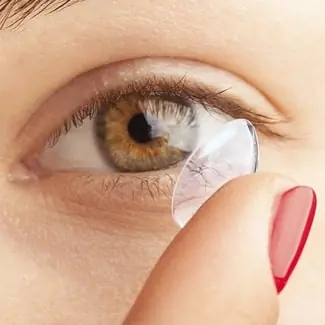
Scleral lenses are large-diameter rigid gas-permeable contact lenses. Instead of sitting on the cornea like regular contacts, they arch (vault) over the whole cornea and rest on the sclera, the white part of the eye. Because they don't touch the sensitive cornea, they can be life-changing for people whose eyes make ordinary lenses impossible to wear.
Before the lens goes in, it is filled with sterile saline. That fluid sits between the lens and the cornea all day. It keeps the front of the eye constantly moist and fills in any bumps or irregular areas, so light passes through a smooth, even surface. The result is clear, stable vision even for corneas that are badly misshapen.
How scleral lenses differ from regular contacts
| Regular soft or RGP lenses | Scleral lenses | |
|---|---|---|
| Where it rests | On the cornea | On the white of the eye, clear of the cornea |
| Size | Smaller, covering part or all of the cornea | Typically 15–24 mm, covering the whole cornea |
| Movement | Moves with each blink | Very stable on the eye |
| Moisture | Can dry out the eye | Holds a fluid reservoir over the cornea |
| Irregular corneas | Often blurry or uncomfortable | Creates a smooth new surface to see through |
Who benefits from scleral lenses
Scleral lenses can also help with pellucid marginal degeneration and other irregular corneal conditions that standard soft or rigid lenses can't correct. If you have been told your eyes are "hard to fit", sclerals may be worth a look.
Signs you may need a specialty lens
- Your glasses never seem to give you clear vision, even with a new prescription
- Your prescription, especially astigmatism, keeps changing
- Regular contacts pop out, feel uncomfortable or give blurry vision
- You see ghosting, double images or streaks around lights
- Your eyes feel too dry to wear any lens for more than a few hours
- You have been diagnosed with keratoconus or had corneal surgery
If any of these sound familiar, start with a comprehensive eye exam so we can look at the shape and health of your cornea. Our eye conditions clinic also covers corneal conditions in more detail.
The scleral lens fitting process
Scleral lens fitting is a specialized process that takes skill and patience. The lens must clear the cornea by the right amount, line up with the white of the eye and give clear vision. Each lens is custom-made for your eyes.
- Eye exam and consultationWe review your history and check the health of your cornea and the rest of your eye to confirm scleral lenses are a good option.
- Corneal mappingCorneal topography maps the shape of your cornea in detail, and we take the measurements needed to plan your lens.
- Diagnostic lensesWe try a series of diagnostic lenses to find the right size and curve for each eye.
- Custom lens orderYour lenses are manufactured to your exact measurements.
- Dispensing and trainingWhen your lenses arrive, we check the fit and vision and teach you how to fill, insert and remove them.
- Fine-tuning visitsSeveral follow-up visits are usually needed to adjust the fit until vision and comfort are right.
Getting used to scleral lenses
Most people find scleral lenses comfortable once they get the hang of putting them in and taking them out. Because the lens doesn't touch the cornea, many people with keratoconus or severe dry eye say sclerals are more comfortable than any lens they have tried before.
There is a learning curve. Inserting a scleral lens involves filling it with saline and placing it while looking down, and removal usually uses a small suction tool. It feels awkward at first, but our team guides you through every step and practises with you until you are confident.
A day with scleral lenses
Many scleral lens wearers say the biggest change is simply being able to get through a full day with clear, comfortable vision. Here is what a typical routine looks like:
- MorningWash your hands, fill each lens with fresh sterile saline and insert it. It takes a few minutes once you have practised.
- During the dayThe fluid reservoir keeps your cornea moist. Some people remove, refill and reinsert their lenses once during the day if their vision gets a little foggy.
- EveningRemove the lenses with the tool we give you, clean them and store them in fresh solution overnight.
Ask our team which saline and cleaning solutions work with your lenses, or browse our eye products.
Aftercare and follow-up
Scleral lenses need regular check-ups to make sure the fit stays right and your cornea stays healthy. Plan to see us after you start, then at regular intervals that your optometrist will set.
- Use only the saline and cleaning solutions we recommend
- Clean your lenses and tools every day
- Remove the lenses before sleep unless told otherwise
- Keep your follow-up visits, even when everything feels fine
Outside clinic hours, for sudden vision loss or a chemical injury, go to the nearest emergency department. See our emergency eye clinic page for more.
Scleral lenses and keratoconus treatment
Scleral lenses are one of the most effective ways to correct vision in keratoconus. They don't stop keratoconus from getting worse, though. If your keratoconus is progressing, a treatment called corneal cross-linking may be recommended to strengthen the cornea, and your optometrist can refer you to an ophthalmologist. Sclerals can still be worn afterwards for clear vision.
Keratoconus often starts young
Keratoconus often first shows up in the teen years or early twenties. Early signs include blurry vision that glasses don't fully fix and a prescription, especially astigmatism, that keeps changing. Eye rubbing is linked to keratoconus getting worse, so it's worth breaking the habit. If your teen's prescription keeps jumping, mention it at their eye exam so we can look at the shape of the cornea.
Cost and insurance
Scleral lenses involve a specialized fitting with several appointments and custom-made lenses. The total cost depends on how complex your eyes are and how many fitting visits you need. Please call 905-856-3937 for current pricing.
Scleral lenses are not covered by OHIP. Some extended health plans provide coverage for specialty or medically necessary contact lenses, and we offer direct insurance billing to most insurers. For everyday lenses, see our main contact lens fitting page.
Frequently asked questions
What are scleral lenses?
Scleral lenses are large rigid gas-permeable contact lenses that vault over the whole cornea and rest on the sclera, the white of the eye. A fluid reservoir under the lens keeps the cornea moist, which makes them ideal for irregular corneas and severe dry eye.
Who needs scleral lenses?
They are recommended for keratoconus, corneal scarring, problems after LASIK or other corneal surgery, severe dry eye, pellucid marginal degeneration and other irregular corneas that standard soft or rigid lenses can't correct.
Does Avalon Eye Care fit scleral lenses in Vaughan?
Yes. Our optometrists fit scleral lenses at our Woodbridge clinic. The process uses corneal topography mapping and a series of diagnostic lenses to find the right size and curve for your eyes.
Are scleral lenses comfortable?
Most people find them comfortable once they get used to inserting and removing them. Because the lens doesn't touch the cornea, many people with keratoconus or severe dry eye find them more comfortable than any other lens they have tried.
How much do scleral lenses cost in Vaughan?
The cost depends on how complex your prescription is and how many fitting visits you need, since the lenses are custom-made. Call Avalon Eye Care at 905-856-3937 for current pricing. Some extended health plans cover specialty lenses.
Can scleral lenses treat keratoconus?
Scleral lenses are one of the most effective ways to correct vision in keratoconus, but they don't stop it from progressing. For progressive keratoconus, corneal cross-linking may be recommended, and we can refer you.
What is the difference between scleral lenses and regular contact lenses?
Regular soft and rigid lenses sit on and move with the cornea. Scleral lenses are much larger, typically 15 to 24 mm, and rest on the white of the eye, which makes them stable, comfortable for irregular corneas and soothing for dry eyes.
How many visits does a scleral lens fitting take?
Usually several. After the initial assessment and diagnostic lenses, your custom lenses are ordered, and follow-up visits fine-tune the fit until your vision and comfort are right.
Related articles

Contact lenses
Contact lenses for astigmatism: your options explained
Yes, you can wear contacts with astigmatism. Toric, rigid and scleral lenses explained.
November 4, 2026
Dry eye
Dry eye: causes, symptoms and treatments that help
Why your eyes feel dry, gritty or watery, and the treatments that help.
September 24, 2026Related services
Contact lens fitting
Fittings for daily, toric, multifocal, Ortho-K and specialty lenses.
Learn moreDry eye clinic
Find the cause of burning, gritty or watery eyes and get a plan that works.
Learn more
Eye conditions clinic
Diagnosis and care for cataracts, AMD, glaucoma, red eyes, migraines and more.
Learn moreLASIK and PRK consultation
Laser eye surgery consultations and before-and-after care close to home.
Learn more