
Dry eye
Dry eye: causes, symptoms and treatments that help

· Updated · 6 min read
Dry eye happens when your eyes don't make enough tears or your tears evaporate too quickly, often because of blocked eyelid oil glands, screen use, age, hormones, medications or dry indoor air. Treatment depends on the cause and can include warm compresses, lid hygiene, lubricating drops and habit changes. Avalon Eye Care in Woodbridge (Vaughan) offers dry eye assessments and personalized treatment plans.
What is dry eye?
Dry eye is one of the most common conditions we see at Avalon Eye Care. Many people live with burning, gritty or watery eyes for years, assuming it is "just allergies" or part of getting older. Dry eye is a real medical condition, and it can be diagnosed and treated.
Your eyes need a thin, stable layer of tears to stay comfortable and see clearly. That tear film has three layers: oil on the outside, water in the middle and mucin next to the eye. Dry eye happens when the tear film is not good enough to protect the surface of the eye. There are two main types, and many people have a mix of both:
- Aqueous-deficient dry eye. The eyes do not make enough of the watery part of the tears.
- Evaporative dry eye. The eyes make tears, but they evaporate too quickly, usually because the oil layer is thin. This is the more common type and is most often caused by meibomian gland dysfunction.
Symptoms of dry eye
- Burning, stinging or a scratchy, sandy feeling
- Redness and irritation
- Blurry vision that clears when you blink
- Sensitivity to light
- Watery eyes, which sounds odd, but dry eyes trigger a flood of reflex tears
- Tired eyes after screens or reading
- Contact lenses that become uncomfortable
- Discomfort in air-conditioned or heated rooms, or waking with sticky eyes
What causes dry eye?
Most people have more than one cause at the same time:
- Screen use. We blink much less when focusing on a screen, and many blinks are incomplete. Less blinking means tears spread less and evaporate faster.
- Blocked oil glands. When the meibomian glands in the eyelids clog, the protective oil layer thins and tears evaporate quickly.
- Age and hormones. Tear production tends to drop with age, and hormonal changes around menopause make dry eye especially common in women.
- Medications. Antihistamines, some antidepressants, some blood pressure medications, diuretics and acne medications can reduce or thicken tears.
- Environment. Air conditioning, indoor heating through an Ontario winter, wind, smoke and fans all speed up evaporation.
- Contact lenses. Lenses can disrupt the tear film, especially with long wearing hours or older lenses.
- Health conditions. Rosacea, thyroid disease, rheumatoid arthritis, Sjögren's syndrome and diabetes are linked with dry eye.
- Eye surgery. Dryness is common for a while after laser vision correction such as LASIK.
How dry eye is diagnosed
A dry eye assessment starts with a conversation about your symptoms, screen habits, medications and health. Using a slit lamp microscope, your optometrist checks the eyelid margins and the openings of the oil glands, presses gently on the lids to see the quality of the oil, measures how quickly your tear film breaks up and uses special dyes to show any dry spots on the surface of the eye. Knowing the type of dry eye you have is what makes treatment work.
Dry eye treatments
Treatment is tailored to the cause and the severity. Most plans combine several steps:
- Warm compressesGentle heat softens thickened oil in the glands so it can flow. Done regularly, it is the foundation of care for evaporative dry eye.
- Lid hygieneCleaning the lid margins with a dedicated eyelid cleanser removes debris and bacteria that block the glands. Our eye products counter carries lid care and dry eye products.
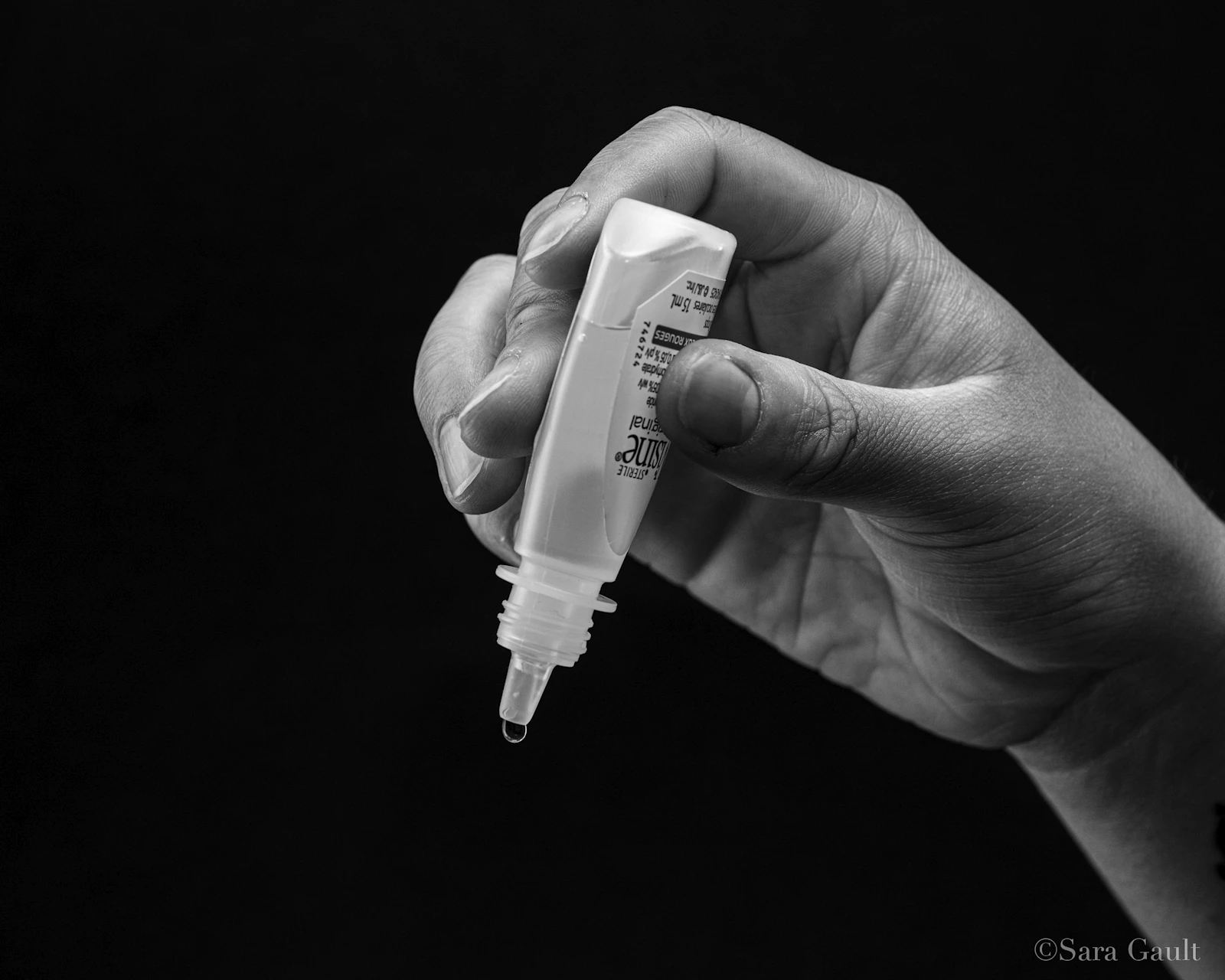
- Lubricating dropsArtificial tears supplement your own tears. Ask your optometrist which type suits you.
- Prescription treatmentIf inflammation is part of the problem, your optometrist may suggest a prescription eye drop for a period of time.
- Specialty lensesFor severe dry eye, scleral lenses hold a reservoir of fluid against the eye to keep the surface moist.
Eye strain from screens can make dry eye feel worse. For some people, glasses that ease visual stress, such as Neurolens, can help with comfort at the computer. Contact lens wearers may benefit from a different lens or wearing schedule after a contact lens fitting.
Dry eye or allergies?
Dry eye and eye allergies can feel similar, and many people in Vaughan have both, especially in spring and fall. A few clues can help tell them apart. Itching is the hallmark of allergies, often with puffy lids, a runny nose and sneezing, and it tends to come and go with the seasons or with pets and dust. Burning, grittiness and tired eyes that build through the day, especially after screen time, point more toward dry eye.
The difference matters because some allergy medications, particularly oral antihistamines, can make dry eye worse. If over-the-counter allergy drops are not helping, or your symptoms last all year, it is worth having your eyes assessed rather than switching products again.
What you can do at home
- Follow the 20-20-20 rule: every 20 minutes, look at something 20 feet away for 20 seconds, and blink fully
- Set your screen slightly below eye level so your eyes are not wide open
- Use a humidifier in winter and point car and desk fans away from your face
- Drink enough water and wear wraparound sunglasses outdoors on windy days
- Do not sleep in contact lenses unless they are prescribed for that
- Ask your doctor or pharmacist whether any of your medications might be adding to dryness
Dry eye is usually a long-term condition, so the aim is good, lasting control rather than a quick fix. Many people notice improvement within a few weeks of starting a consistent routine. Read more in our post on screens and eye strain.
Frequently asked questions
What is the most common cause of dry eye?
Meibomian gland dysfunction, where the oil glands in the eyelids become blocked so tears evaporate too fast, is the most common cause.
Why are my eyes watery if I have dry eye?
When the surface of the eye dries out, it triggers reflex tears that flood the eye and run off. These tears do not fix the underlying dryness.
Are eye drops enough to treat dry eye?
For mild dry eye they may be. Many people also need warm compresses, lid hygiene and habit changes, because drops alone do not unblock the oil glands.
How long does dry eye treatment take to work?
Many people notice some relief within a few weeks of a consistent routine, and more improvement over the following months. Your optometrist will adjust your plan at follow-ups.
Can screens cause dry eye?
Screens are a major contributor because we blink less and less fully while using them. Regular breaks and full blinks help.
Can I wear contact lenses if I have dry eyes?
Often yes, with the right lens type, care routine and wearing schedule. A contact lens fitting helps find what is comfortable for you.
Our optometrists in Woodbridge see children, adults and seniors. Book an exam and talk it through in person.
Book an eye examThis article is general information, not medical advice. For advice about your eyes, book an exam with an optometrist.
More from the blog

Eye health
Cataracts: early signs and when to get checked
Cloudy vision, glare and faded colours: how cataracts start and when to have them checked.
November 4, 2026
Everyday eye care
Computer eye strain at work: causes and what helps
Tired, dry or blurry eyes after a day at the screen? How to set up your desk and when to get checked.
November 4, 2026
Contact lenses
Contact lenses for astigmatism: your options explained
Yes, you can wear contacts with astigmatism. Toric, rigid and scleral lenses explained.
November 4, 2026