
Eye See…Eye Learn
Eye See…Eye Learn program in Vaughan
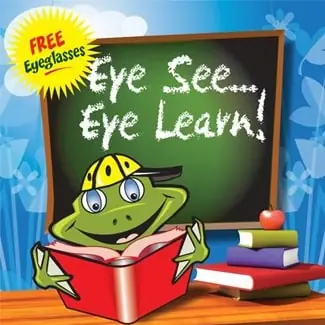
Avalon Eye Care in Woodbridge (Vaughan) takes part in Eye See…Eye Learn, an Ontario program for Junior Kindergarten children. Your JK child gets a comprehensive eye exam covered by OHIP, and if they need a prescription, they receive one complete pair of glasses (frames and lenses) at no charge. Just tell us your child is in JK when you book and bring their Ontario health card.
- Open six days a week
- New patients welcome
- Direct billing to most insurers
What Eye See…Eye Learn is
Eye See…Eye Learn is a provincial initiative that helps children start school with good vision and healthy eyes. Avalon Eye Care in Vaughan is a participating clinic, and our optometrists are members of the program.
Here is what your JK child receives:
- A comprehensive eye exam, covered by OHIP
- One free pair of glasses, a complete pair of frames and lenses, if your child needs a prescription
- Peace of mind, knowing your child has the vision they need to do well in school
You do not have to fill in separate program paperwork to claim the glasses. If your child needs them, we process the free frame and lens benefit through Eye See…Eye Learn on your behalf.
Who qualifies
Your child can use the free glasses benefit if they:
- Are currently enrolled in Junior Kindergarten (JK) in Ontario
- Have not already received an exam through Eye See…Eye Learn
- Have a valid Ontario health card (OHIP card)
- Need prescription glasses after their eye exam
Every JK child can have the OHIP-covered eye exam whether or not they turn out to need glasses. In fact, all Ontario children 19 and under are covered by OHIP for one eye exam every 12 months. The free glasses are only for children who are found to need a prescription.
Program details are set by the province and can change. If you are unsure whether your child qualifies, call us and we will check for you. You can also read more at eyeseeeyelearn.ca.
Why early eye exams matter for young learners
It is often said that about 80% of learning is visual, and studies suggest about 1 in 4 school-age children has a vision problem that can affect learning, reading and development. Many of these children struggle in silence.
School vision screenings help, but they are not eye exams. A screening usually just checks whether your child can read a chart at a distance. It can miss farsightedness, focusing problems and eye-teaming problems that make close work like reading hard.
Signs your preschooler may need glasses
- Squinting, or tilting the head to look at things
- Sitting very close to the TV or holding tablets and books close to the face
- Rubbing the eyes or blinking a lot
- Covering one eye, or an eye that wanders in or out
- Avoiding colouring, puzzles or picture books
- Headaches or tiredness after close-up activities
- Clumsiness, or bumping into things often
Many children with vision problems show none of these signs, which is why a full exam is worth doing even if everything seems fine. See our article on signs your child needs glasses for more.
What happens at the exam
- Book and tell us it's for JKCall 905-856-3937 or book online and let us know your child is in Junior Kindergarten and you would like to use Eye See…Eye Learn.
- Check-inBring your child's Ontario health card. We confirm their details and ask about their health, development and anything you or their teacher have noticed.
- A child-friendly eye examWe use pictures, lights and games, so your child does not need to know their letters. We check clear vision, prescription, eye teaming, focusing and eye health.
- Drops if neededEye drops may be used to relax focusing for an accurate prescription. Vision can be blurry and light-sensitive for a few hours afterward.
- ResultsWe explain what we found. If your child does not need glasses, we tell you when to come back.
- Choosing glassesIf a prescription is needed, your child picks a frame, and we order their free glasses through the program and fit them when they arrive.
When to book
Ideally, book before or early in the JK school year, so any vision problem is treated before it starts to affect learning. Children should have their first eye exam at about 6 months of age, again in the preschool years, and then every year from school age. The JK year is a natural time for a check if your child has not been seen yet.
Saturday appointments are available, which can make it easier to fit an exam around school and work.
Helping your child get used to new glasses
Many young children are proud of their new glasses. Others need a little time. A few simple steps help them settle in:
- Let your child choose a frame they like. It makes them more likely to wear it
- Put the glasses on first thing in the morning so they become part of the routine
- Praise your child for wearing them, and let their teacher know so they can help at school
- Expect a short adjustment period of a few days as your child's eyes get used to clearer vision
- Teach your child to take glasses off with two hands and to keep them in a case
- Bring the glasses back to us if they slip, pinch or sit crooked. We adjust them for you
If your child keeps taking the glasses off or says they make things worse, call us. We will check the fit and the prescription.
Glasses for young children should be sturdy and comfortable. We help you choose a frame that suits your child's face and activities, and we fit it so it sits well and stays put during play.
How to prepare your child
- Bring your child's Ontario health card
- Plan the visit for a time when your child is usually rested
- Tell your child they will look at fun pictures and lights, and nothing hurts
- Bring notes from teachers if they have mentioned any concerns
- Bring sunglasses or a hat in case drops are used
After the exam
If your child gets glasses, we make sure they fit well and stay comfortable, and we will want to see them again for their next yearly pediatric eye exam. Glasses after the free pair, such as a spare or a replacement, can be chosen from our frame selection, and many family health plans help with the cost through direct billing.
If we find nearsightedness, we can talk about myopia control to help slow its progression as your child grows. For eye-teaming or focusing problems, vision therapy may help. If anything needs a specialist, we will arrange a referral.
We welcome families from Vaughan, Toronto and across the GTA to our clinic at 200 Whitmore Rd, Unit 15, with free parking.
Frequently asked questions
What is the Eye See…Eye Learn program?
It is an Ontario program that gives Junior Kindergarten children an OHIP-covered comprehensive eye exam and one free pair of glasses if they need a prescription. Avalon Eye Care in Vaughan is a participating clinic.
Does my JK child need glasses to qualify?
No. Any JK child can have the OHIP-covered eye exam whether or not they need glasses. The free glasses are only for children who are found to need a prescription.
How do I book an Eye See…Eye Learn appointment in Vaughan?
Call Avalon Eye Care at 905-856-3937 or book online, and mention that your child is in Junior Kindergarten and you want to use Eye See…Eye Learn. Bring your child's Ontario health card.
When should my JK child have their eye exam?
Ideally before or early in the school year, so any vision problem is treated before it affects learning. Children should first be seen around 6 months, again in the preschool years, and every year from about age 4.
Are the glasses really free?
Yes. If your JK child needs a prescription, one complete pair of frames and lenses is provided at no charge through the program. We handle the program paperwork for you.
My child is in Senior Kindergarten. Can they still get free glasses?
The program is for children in Junior Kindergarten. Children of any age 19 and under still get a yearly OHIP-covered eye exam with us, so call us and we will tell you what applies to your child.
My child can't read yet. Can you still test their eyes?
Yes. We use pictures, lights and objective tests, so your child does not need to know letters or answer questions for us to check their vision and prescription.
What if my child passed the school vision screening?
A screening usually only checks distance vision on a chart. It can miss farsightedness, focusing problems and eye-health issues, so a full eye exam is still worthwhile.
Related articles
Children's eye care
10 signs your child needs glasses: a Vaughan parent's guide
Squinting, headaches, avoiding reading: what to watch for and when to book.
March 6, 2026Children's eye care
When should my child first see an optometrist?
The recommended eye exam schedule for Ontario kids, from 6 months to 19 years.
March 6, 2026Related services
Children's eye exams
Gentle, OHIP-covered eye exams for babies, children and teens.
Learn more
Myopia control
Slow your child's nearsightedness with Ortho-K, daily lenses or special glasses.
Learn more
Eyeglasses and frames
Designer and everyday frames for men, women and kids, fitted by our team.
Learn more
Vision therapy
Treatment for eye teaming, tracking and focusing problems in kids and adults.
Learn more