
Myopia control
Myopia control for children in Vaughan
Avalon Eye Care in Woodbridge (Vaughan) offers myopia control to slow how fast a child's nearsightedness gets worse. Options include Ortho-K overnight lenses, MiSight 1 day soft contact lenses and myopia control glasses. Starting early means a lower prescription in adulthood and a lower risk of serious eye disease later in life.
- Open six days a week
- New patients welcome
- Direct billing to most insurers

What myopia is and why it keeps getting worse
Myopia, or nearsightedness, means far-away things look blurry while close-up things look clear. It usually starts in childhood and gets worse every year while a child is growing. That happens because the eyeball itself is growing too long. A child who needs stronger glasses at every visit is a child whose eyes are still getting longer.
Regular glasses and contact lenses make things clear, but they don't slow this growth. Myopia control uses special lenses designed to slow it down, so your child ends up with a lower prescription as an adult.
This matters for more than convenience. Higher myopia in adulthood raises the risk of retinal detachment, glaucoma and myopic macular degeneration later in life. Slowing myopia down early is one of the most useful things you can do for your child's long-term eye health.
Why more children are becoming nearsighted
Myopia is becoming much more common in children around the world, and it is starting at younger ages. Three things play the biggest part:
- Genes: a child with one nearsighted parent is more likely to become nearsighted, and the chance is higher again when both parents are
- Lots of close work: long stretches of reading, homework, tablets and phones
- Less time outdoors: children who spend more time outside in daylight tend to develop less myopia
You can't change your child's genes, but you can make sure their myopia is found early and, if it is progressing, slowed down.
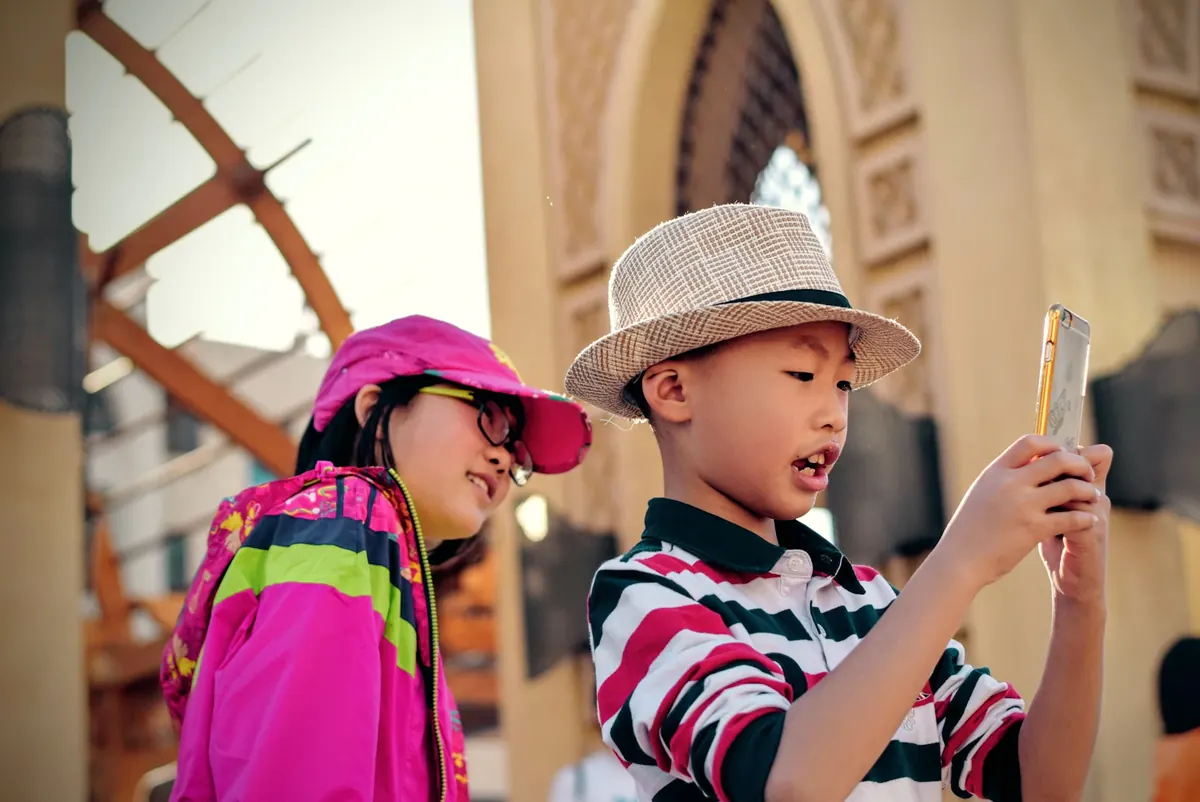
Signs your child's myopia may be progressing
- Needing a stronger prescription at each yearly exam
- Squinting at the board, the TV or faraway signs
- Sitting close to screens or holding books very close
- One or both parents are nearsighted
- Lots of near work, like reading and devices, and little time outdoors
Children rarely complain that they can't see. They often think everyone sees the way they do. Watch for squinting, headaches after school or a sudden drop in interest in sports or the board. Our article on signs your child needs glasses has more to look for.
Our myopia control options
There is no single best option for every child. Your optometrist will recommend one based on your child's age, prescription, eye shape, activities and how comfortable your family is with contact lenses.
| Option | When it is worn | Often a good fit for |
|---|---|---|
| Ortho-K | Overnight only | Active kids and teens who want no glasses or contacts during the day |
| MiSight 1 day | During the day, new pair daily | Children 8 to 12 ready to handle soft contact lenses |
| Myopia control glasses | During the day | Younger children, or kids not ready for contact lenses |
Wondering how Ortho-K compares with daytime lenses? Read Ortho-K vs contact lenses for kids with myopia.
Does myopia control work?
Yes. Clinical studies show that orthokeratology and MiSight lenses can slow myopia progression compared with regular single-vision glasses or contacts. Results vary from child to child, and no treatment stops myopia completely. The evidence strongly supports starting early, because every year of slower change adds up over childhood.
We judge success by tracking your child's prescription over time. If progression is still faster than we'd like, we may adjust the lenses or suggest a different option.
When to start
Myopia control works best when started early, ideally as soon as myopia is first found. That is often between ages 6 and 12. The younger a child is when myopia starts, the more years it has to progress, so early treatment protects more of their visual development.
Regular eye exams are how myopia gets found. Our guide on when a child should first see an optometrist explains the timing, and our children's eye exams are covered by OHIP once a year for kids 19 and under.
What happens at a myopia assessment
- Full eye examWe start with a complete eye exam, including your child's prescription and eye health.
- Risk reviewWe ask about family history, screen and reading time, and how much time your child spends outdoors.
- Discuss the optionsIf myopia control is a good fit, your optometrist explains the options that suit your child's age, prescription and routine, including costs.
- FittingFor Ortho-K or contact lenses, we do a fitting and teach your child (and you) how to put lenses in, take them out and care for them. For glasses, we help choose frames and order the lenses.
- Regular follow-upWe see your child regularly to check comfort, eye health and how well the treatment is working.
Habits that support myopia control
Lenses do most of the work, but daily habits help too. Research links more time outdoors in childhood with less myopia. Encourage outdoor play every day, take regular breaks from close work, and keep books and devices at a comfortable distance rather than right up to the face. Try the 20-20-20 rule: every 20 minutes, look at something 20 feet away for 20 seconds.
After treatment starts: follow-up and long-term care
Myopia control is a long-term plan, usually continued through the growing years. Expect several visits in the first months while we confirm the fit and comfort, then regular checks to measure progress. Keep wearing the lenses as prescribed, since gaps in wear reduce the benefit.
Lens care is important, especially for Ortho-K and contact lenses. Clean hands, fresh solution and never using tap water keep the risk of infection low. If your child ever has a red, painful eye, take the lenses out and call us right away.
Protecting your child's eye health for life
Every step of myopia matters. A child whose myopia is slowed may end up with a moderate prescription instead of a high one. High myopia stretches the inside of the eye and is linked to a higher lifetime risk of retinal detachment, glaucoma and myopic macular degeneration.
That is why we keep watching eye health, not just the prescription. Teens and adults with high myopia benefit from regular dilated exams and, where recommended, OCT imaging to check the retina and optic nerve. Early care in childhood and good monitoring in adulthood work together to protect sight.
If you are nearsighted yourself, mention it when you book. It helps us judge your child's risk.
OHIP and insurance coverage
Eye exams for children and teens 19 and under are covered by OHIP once every 12 months, plus follow-ups. Myopia control lenses, fittings and glasses are not covered by OHIP. Many extended health plans cover part of the cost of glasses or contact lenses, and we bill most insurers directly. See direct insurance billing, or call us for the current fees for each option.
Frequently asked questions
What is myopia control?
Myopia control refers to treatments that slow the progression of nearsightedness in children. Untreated myopia tends to worsen every year in childhood, which raises the risk of retinal detachment, glaucoma and macular degeneration later in life.
What myopia control options does Avalon Eye Care offer?
We offer Ortho-K overnight lenses, MiSight 1 day contact lenses (approved for myopia control in children 8 to 12) and myopia control glasses. Your optometrist will recommend the best fit for your child's age, prescription and lifestyle.
At what age should myopia control start?
As early as possible, ideally as soon as myopia is first found, often between ages 6 and 12. The earlier treatment begins, the more of your child's visual development can be protected.
Does myopia control work?
Yes. Studies show Ortho-K and MiSight lenses can slow myopia progression compared with single-vision correction. Results vary by child, but the evidence strongly supports early treatment.
Is myopia control covered by OHIP?
The yearly eye exam is covered by OHIP for children 19 and under. Myopia control lenses are not, but many extended health plans cover part of the cost and we bill most insurers directly.
Can't my child just wear regular glasses?
Regular glasses make vision clear but don't slow the eye's growth, so the prescription usually keeps rising. Myopia control lenses correct vision and also help slow that change.
How long will my child need myopia control?
Usually through the growing years, while myopia is still progressing. Your optometrist will review progress at each visit and advise when it is safe to stop.
Is my child too young for contact lenses?
Not necessarily. Many children handle lenses well with a parent's help. MiSight 1 day is approved for ages 8 to 12, and Ortho-K is worn at home overnight. For younger children, myopia control glasses are a good option.
Related articles
Myopia control
Ortho-K vs. contact lenses for myopia control in kids: which is better?
Ortho-K or soft myopia control lenses? An honest side-by-side for parents.
March 6, 2026
Children's eye care
10 signs your child needs glasses: a Vaughan parent's guide
Squinting, headaches, avoiding reading: what to watch for and when to book.
March 6, 2026Children's eye care
When should my child first see an optometrist?
The recommended eye exam schedule for Ontario kids, from 6 months to 19 years.
March 6, 2026Related services

Ortho-K lenses
Wear lenses overnight and see clearly all day, with no glasses or daytime contacts.
Learn moreChildren's eye exams
Gentle, OHIP-covered eye exams for babies, children and teens.
Learn more
Contact lens fitting
Fittings for daily, toric, multifocal, Ortho-K and specialty lenses.
Learn more
Prescription lenses
Single vision, bifocal, progressive, thin high-index and coated lenses.
Learn more