
Eye health
Glaucoma early signs: what to watch for, and why you may not notice any

· Updated · 5 min read
The most common type of glaucoma has no early warning signs: no pain, no redness and no change in vision until damage is advanced. That is why it is found through eye exams that check eye pressure, the optic nerve and side vision. Avalon Eye Care in Woodbridge (Vaughan) screens for glaucoma at every comprehensive eye exam and offers detailed glaucoma testing.
What is glaucoma?
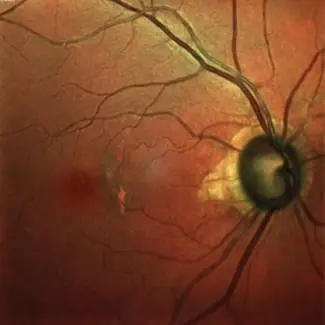
Glaucoma is a group of eye diseases that damage the optic nerve, the cable that carries information from your eye to your brain. Damage often happens when pressure inside the eye is too high for that nerve to tolerate, although glaucoma can also happen with normal eye pressure.
Glaucoma is one of the leading causes of irreversible blindness worldwide. The vision it takes cannot be brought back, but treatment can slow or stop further loss. That is why finding it early matters so much.
Why glaucoma is called the "silent thief of sight"
The most common form, open-angle glaucoma, develops slowly over years. It usually affects your side (peripheral) vision first. Your brain is very good at filling in the gaps, and your other eye covers for the weaker one, so you are unlikely to notice anything is wrong.
By the time most people notice symptoms, such as bumping into things, missing steps or trouble seeing objects off to the side, a significant amount of the optic nerve may already be damaged. In other words, for most people there are no early signs you can feel or see yourself.
Signs and symptoms that can appear
In open-angle glaucoma, signs usually only appear in later stages:
- Gradual loss of side vision, often in both eyes
- Tunnel vision in advanced stages
- Difficulty seeing in dim light or adjusting to the dark
A less common type, acute angle-closure glaucoma, is different. Eye pressure rises quickly and causes obvious symptoms. It is an emergency.
Call us at 905-856-3937 right away during our hours for an urgent eye visit. Outside clinic hours, for sudden vision loss or a chemical injury, go to the nearest emergency department. Acute angle-closure needs treatment within hours to protect your vision.
Who is at higher risk?
Anyone can develop glaucoma, but your risk is higher if you:
- Have a parent, brother or sister with glaucoma
- Are over 60, as risk increases with age (see our senior eye care)
- Have high eye pressure (ocular hypertension)
- Are of African or Caribbean ancestry
- Have diabetes or high blood pressure
- Are nearsighted, especially highly nearsighted
- Have used steroid medications for a long time, including eye drops or inhalers
- Have had an eye injury or eye surgery
If any of these apply to you, tell your optometrist. You may need glaucoma testing more often than the general schedule. See how often you should get an eye exam.
How glaucoma is detected
Because you probably cannot feel or see early glaucoma, detection depends on testing. At Avalon Eye Care, glaucoma screening is part of every comprehensive eye exam, and patients at higher risk can have a more detailed assessment:
- Eye pressureWe measure your intraocular pressure with non-contact tonometry, a quick puff of air that does not touch your eye.
- Optic nerve examYour optometrist examines the optic nerve, often after dilating drops, looking for cupping or other signs of damage.
- ImagingRetinal photographs and OCT scans measure the nerve fibre layer in detail so small changes can be compared year to year.
- Visual field testA test that maps your side vision to pick up early losses you would not notice yourself.
No single test diagnoses glaucoma on its own. Your optometrist looks at all the results together, and often over several visits, to see whether anything is changing.
What is a "glaucoma suspect"?
Sometimes test results fall into a grey zone. Your eye pressure may be a little high, or your optic nerve may look larger or more cupped than average, but there is no clear sign of damage yet. In that case your optometrist may call you a glaucoma suspect.
Being a glaucoma suspect does not mean you have glaucoma. It means your eyes deserve a closer watch. We will usually repeat pressure checks, imaging and visual field tests over time, because glaucoma is defined by change. If your results stay stable, you may simply continue with regular monitoring. If they start to change, treatment can begin early, before you notice any loss of vision.
Some people with diabetes or high blood pressure are also monitored more closely, since these conditions add to glaucoma risk. Read more about diabetes and your eyes or our diabetic eye exams.
Can glaucoma be treated?
Glaucoma cannot be cured, but it can usually be managed when caught early. Treatment aims to lower eye pressure and may include prescription eye drops, laser treatment or surgery. Treatment decisions are made together with an ophthalmologist. Our optometrists co-manage glaucoma with ophthalmologists and monitor your eyes with regular follow-ups.
If you are prescribed eye drops, using them every day as directed is one of the most important things you can do, even though you will not feel a difference. Bring your drops to each visit so we can review how you are using them.
In Ontario, OHIP covers eye exams for adults 20 to 64 who have glaucoma, as well as one eye exam a year for everyone 19 and under and 65 and over. Learn more in our OHIP eye exam guide.
Frequently asked questions
What are the first signs of glaucoma?
The most common type usually has no early signs at all. When symptoms do appear, the first is often a gradual loss of side vision, which most people do not notice until it is advanced.
Can you feel glaucoma?
Usually not. Open-angle glaucoma is painless. Sudden eye pain with a red eye, halos and nausea can mean acute angle-closure glaucoma, which is an emergency.
Can I have glaucoma with normal eye pressure?
Yes. Some people develop optic nerve damage with eye pressure in the normal range, which is why we also examine the optic nerve and test your side vision.
Is glaucoma hereditary?
Glaucoma tends to run in families. If a parent, brother or sister has it, your risk is higher, and you should tell your optometrist.
Can glaucoma vision loss be reversed?
No. Vision lost to glaucoma cannot be restored, but treatment can slow or stop further loss, which is why early detection matters.
How often should I be tested for glaucoma?
Glaucoma screening is part of every comprehensive eye exam. If you have risk factors, your optometrist may recommend yearly exams or more frequent testing.
Our optometrists in Woodbridge see children, adults and seniors. Book an exam and talk it through in person.
Book an eye examThis article is general information, not medical advice. For advice about your eyes, book an exam with an optometrist.
More from the blog
Eye health
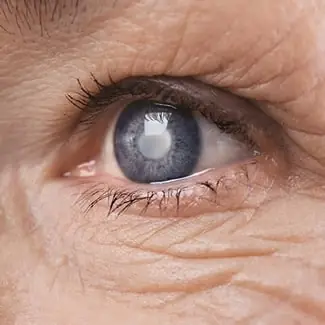
Cataracts: early signs and when to get checked
Cloudy vision, glare and faded colours: how cataracts start and when to have them checked.
November 4, 2026
Everyday eye care
Computer eye strain at work: causes and what helps
Tired, dry or blurry eyes after a day at the screen? How to set up your desk and when to get checked.
November 4, 2026
Contact lenses
Contact lenses for astigmatism: your options explained
Yes, you can wear contacts with astigmatism. Toric, rigid and scleral lenses explained.
November 4, 2026